'Difficult' talks in Geneva — Zelensky signals progress on ceasefire, political stalemate continues
 on Google
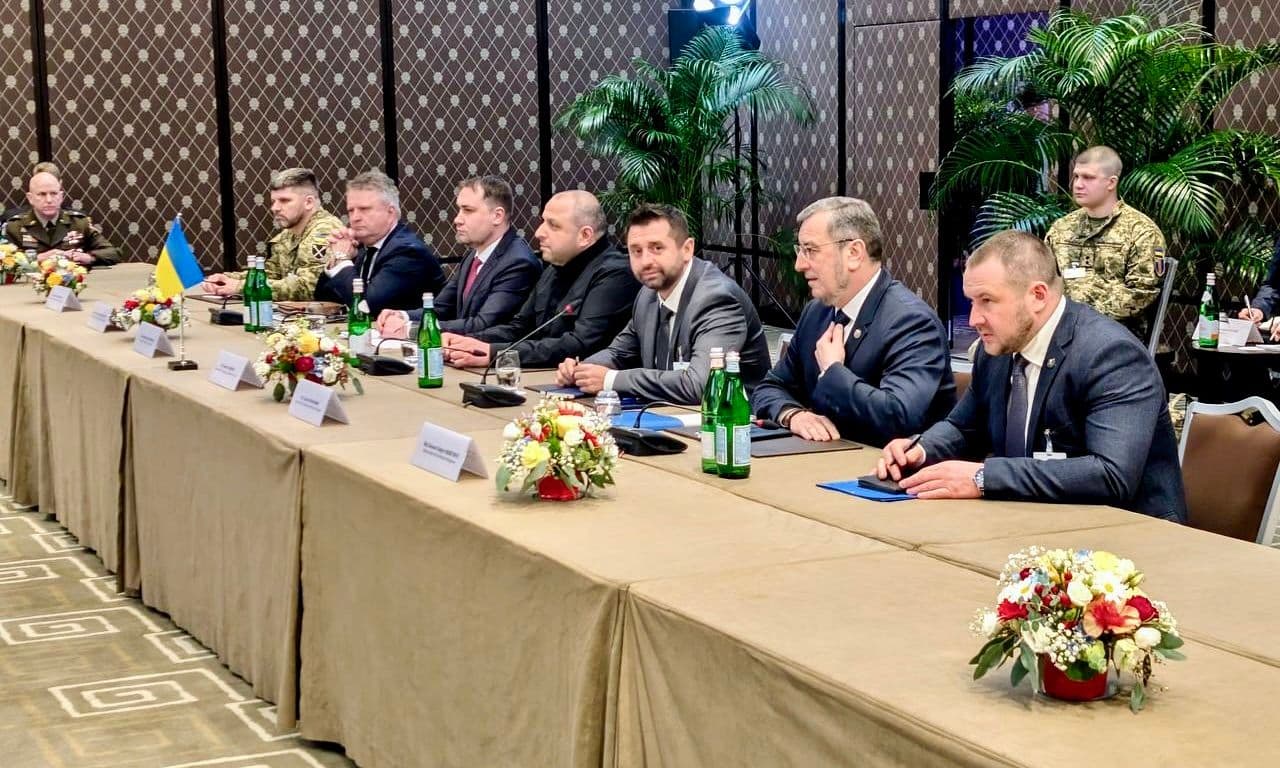
Ukraine and Russia held the second day of U.S.-mediated trilateral talks in Geneva on Feb. 18, with territorial arrangements, energy security, and control of the Zaporizhzhia Nuclear Power Plant at the center of negotiations.
The meeting lasted about two hours, with Russian chief negotiator Vladimir Medinsky calling it "difficult but practical" and saying the next session is expected "soon."
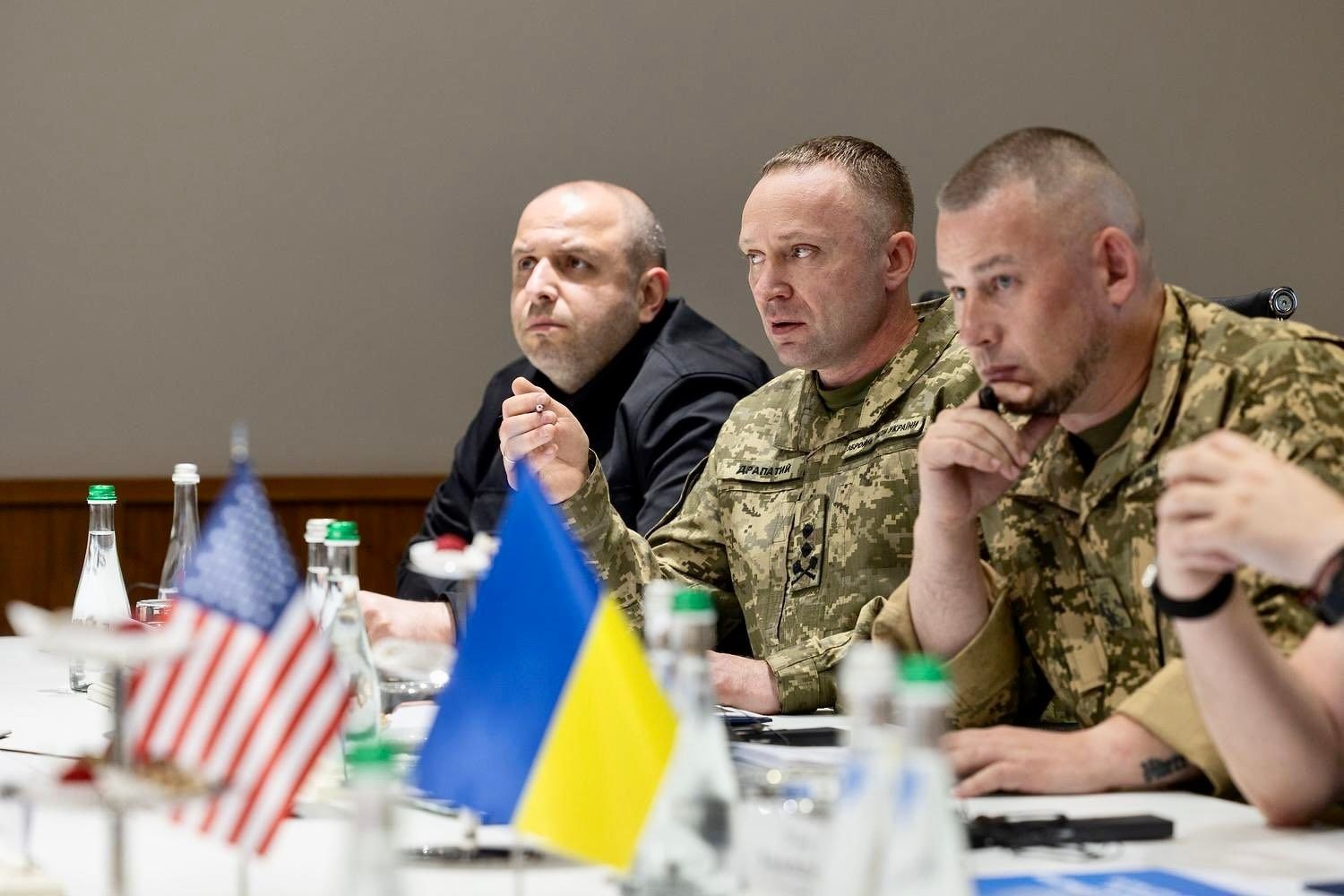
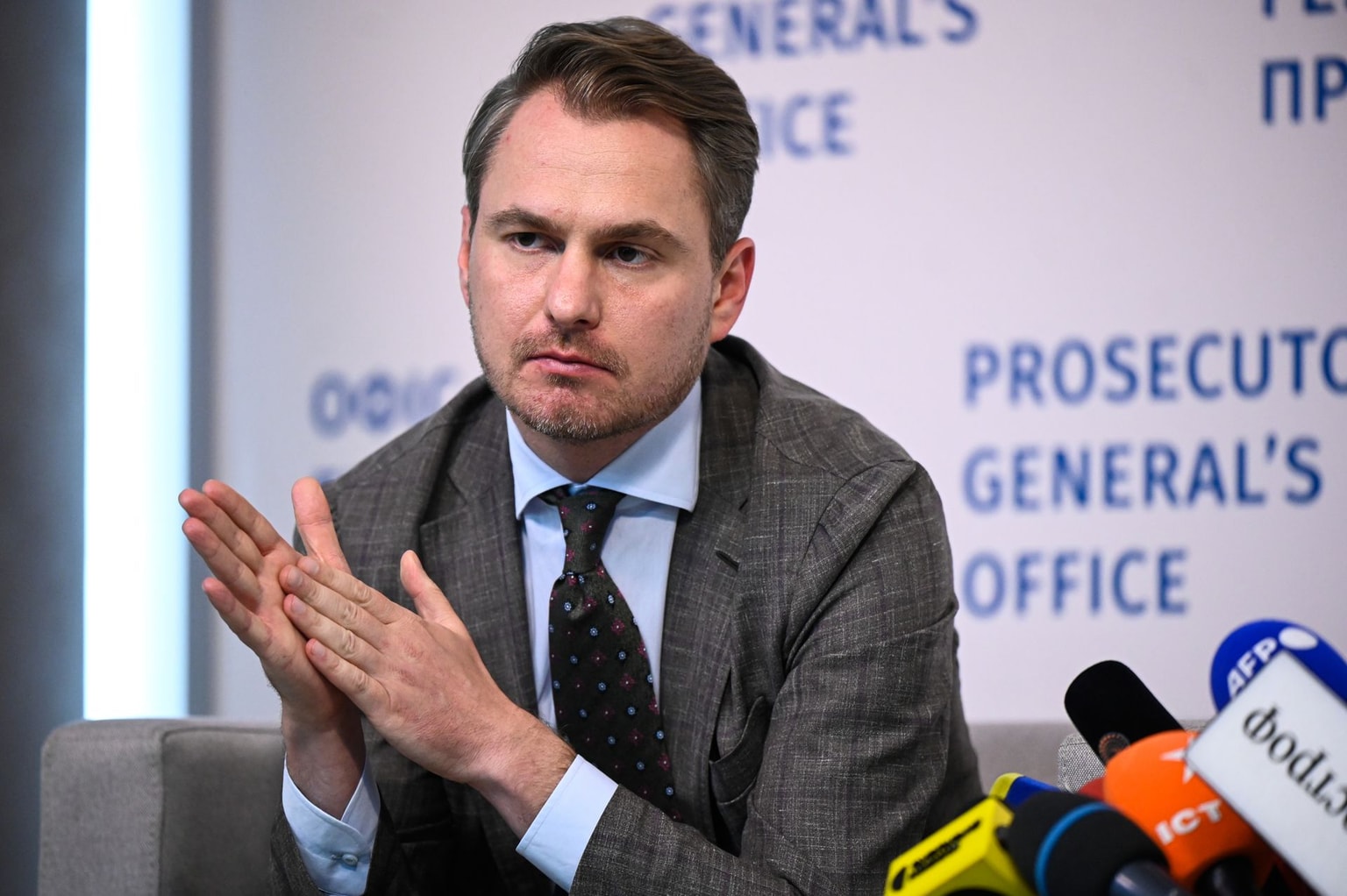
National Security and Defense Council Secretary Rustem Umerov said discussions were taking place in working groups divided between political and military tracks.
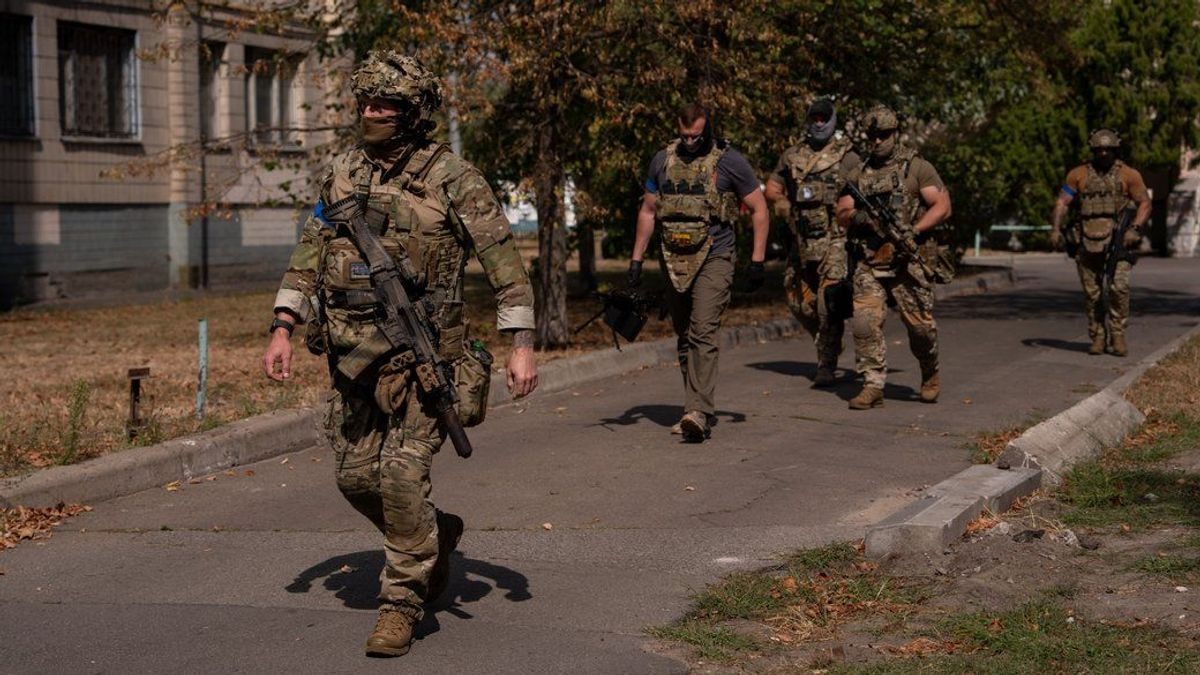
After the talks, President Volodymyr Zelensky said Ukrainian forces are now ready to monitor a ceasefire, should there be the political will to enforce it.
"They have basically agreed on almost everything," he added, noting that monitoring would definitely involve the U.S. He described this as a constructive signal.
On the political track, Zelensky said, the talks focused on "all the sensitive issues." He added that a more detailed report would be provided after the team's return.
"We can see that some groundwork has been laid, but positions remain different, as the negotiations were difficult," Zelensky said, adding that while progress was made on the military track, the political discussions were limited.
"We agreed to continue and move forward, but I did not hear the same kind of progress as in the military area," he said.
While reporting suggested the political track stalled during the first day — partly due to Moscow's appointment of hard-line Medinsky as chief negotiator — U.S. Special Envoy Steve Witkoff said "meaningful progress" had been made.
"Both parties agreed to update their respective leaders and continue working toward a deal," Witkoff said. "President Trump's success in bringing both sides of this war together has brought about meaningful progress."
Zelensky described the first day of talks as "difficult," accusing Russia of prolonging a process that, in his view, could already be nearing its final stage.
"I would like to thank the American side for their attention to detail and patience in discussions with the Russian representatives present," he added.
Zelensky said the agenda for the second day included humanitarian issues, particularly steps toward a prisoner-of-war exchange and the release of civilians.
This marks the third round of negotiations since January, after earlier meetings ended without a breakthrough despite sustained engagement.
The renewed negotiations mark a critical test of whether Kyiv and Moscow can narrow gaps on the core disputes that have derailed previous rounds.
Moscow reshuffles
Days before the meeting, President Vladimir Putin reshuffled Russia's delegation and appointed Medinsky to head the team.
Medinsky previously led Russia's delegation during the March–April 2022 talks in Istanbul and during direct negotiations in 2025. Ukrainian officials at the time described him as a "pseudo-historian" and accused him of advancing uncompromising positions.
During the 2025 talks, Medinsky reportedly warned that Russia was prepared for a prolonged war if Kyiv rejected Moscow's demands.
That rhetoric deepened skepticism in Kyiv about Moscow's readiness to compromise and has resurfaced in assessments of the current round.
His appointment just before Geneva reinforced the perception in Kyiv that Moscow intends to defend its maximalist positions rather than explore new trade-offs.
read also
Core disputes
Territorial questions remain the central obstacle.
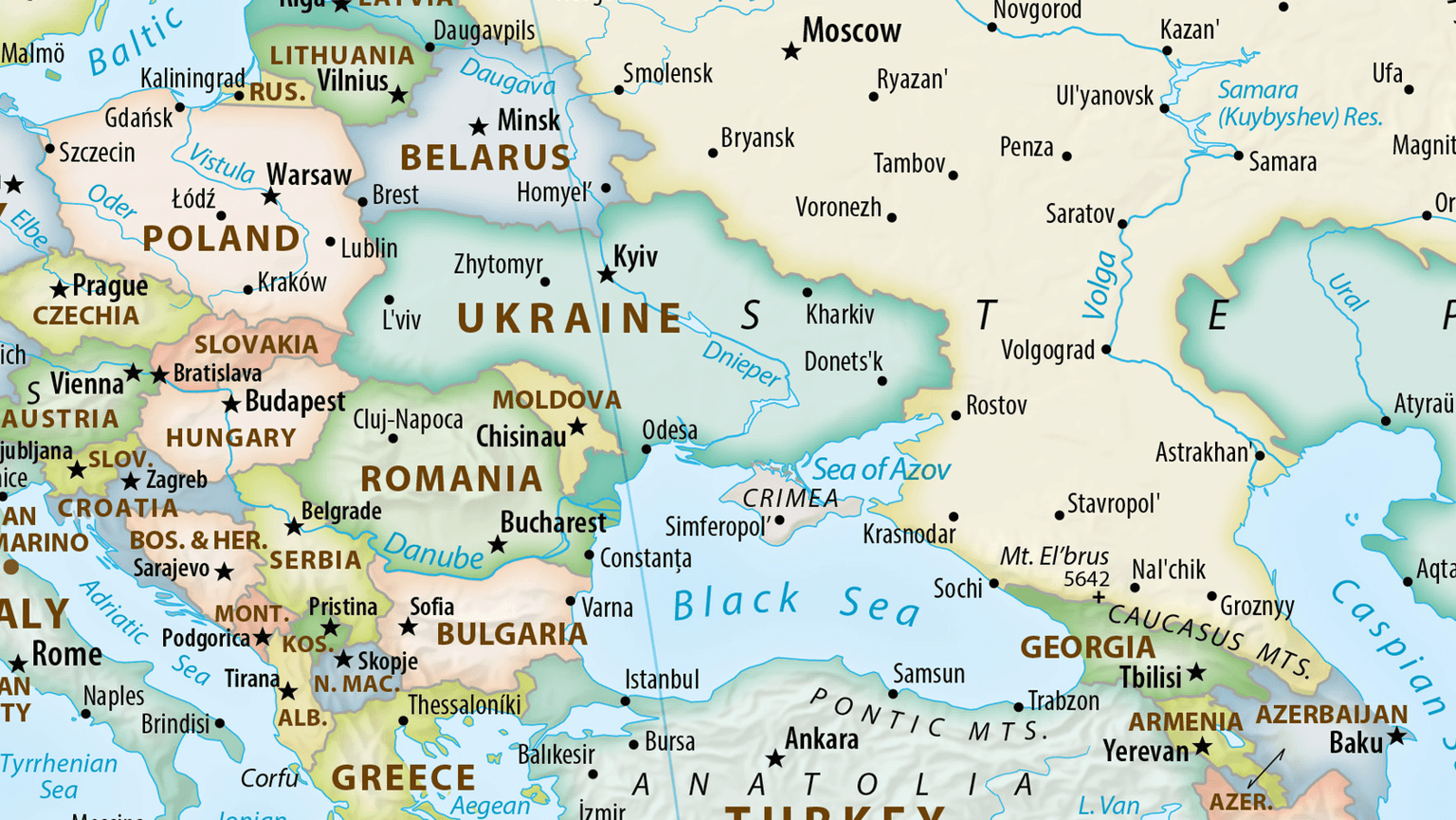
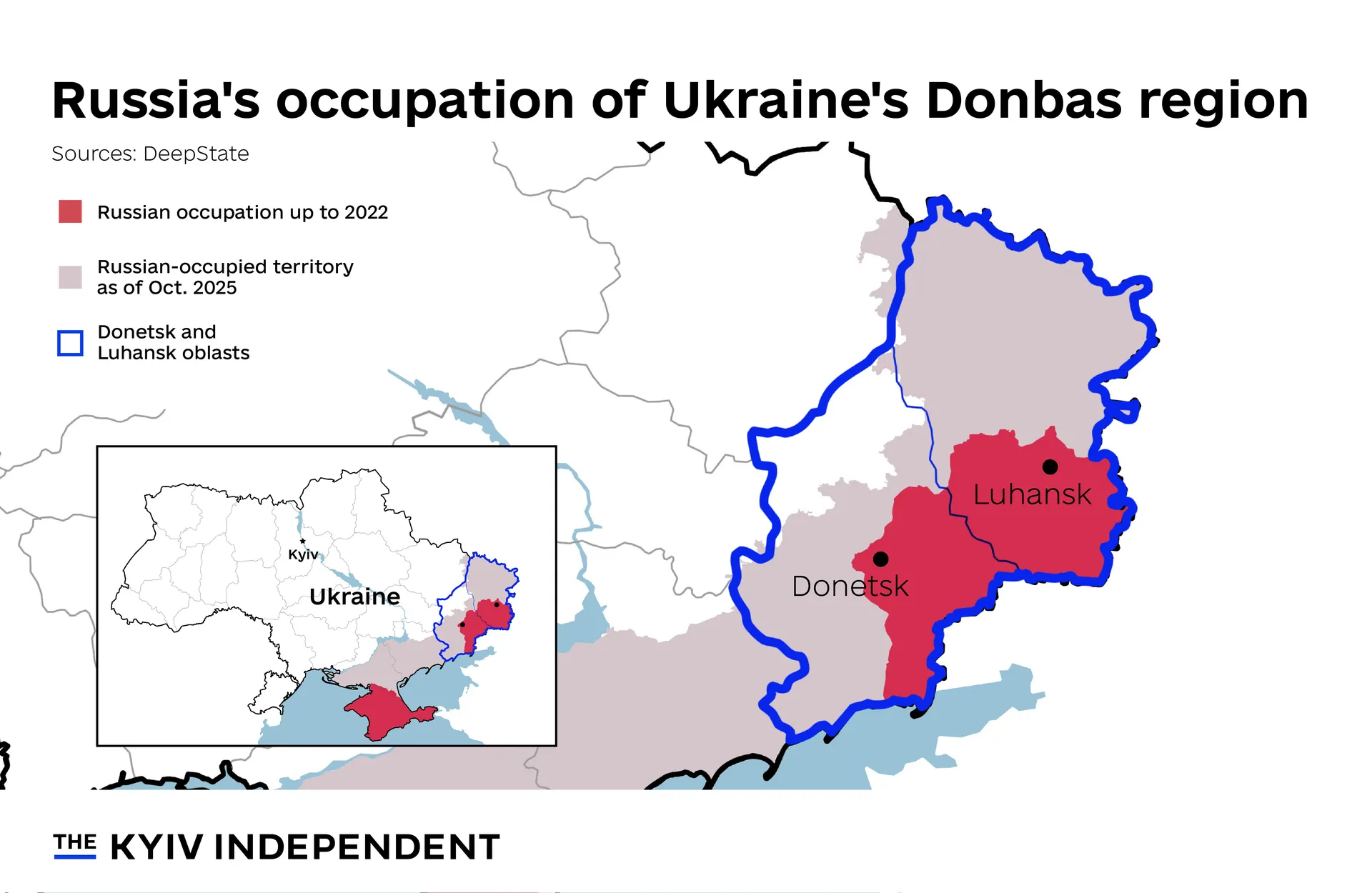
Ukraine maintains that freezing current positions offers the most realistic foundation for a ceasefire at this stage. Russia continues to demand that Ukrainian forces withdraw from Donbas as a precondition for any agreement — a non-starter for Kyiv.
Washington has floated the idea of establishing a free economic zone in the war-affected region as a potential compromise. Zelensky has indicated, however, that neither Ukraine nor Russia expressed strong support for the proposal.
Control of the Zaporizhzhia Nuclear Power Plant remains another major flashpoint. Before Russia's full-scale invasion, the facility generated roughly 20% of Ukraine's electricity and remains Europe's largest nuclear power plant.
Under a U.S.-backed framework, the nuclear facility would be jointly operated by Ukraine, the U.S., and Russia, with shared economic benefits. Kyiv fears that such an arrangement would legitimize Russia's occupation.
Energy security more broadly also features, as Russia continues attacks on Ukraine's energy infrastructure. A potential energy ceasefire remains under discussion.
European coordination
Parallel to the trilateral format, European partners are coordinating closely with Kyiv and Washington.
A German government official told the Kyiv Independent that German Chancellor Friedrich Merz's foreign and security policy adviser was also in Geneva.
Another source familiar with the matter said officials from the U.K. and France were present as well and were expected to meet with Ukrainian officials.
Following the first day of talks, Umerov said Ukraine held a separate meeting with U.S. officials and representatives from the U.K., France, Germany, Italy, and Switzerland to review the results and "synchronize approaches to further steps."
"It's important to maintain a common vision and coordination of actions between Ukraine, the U.S.A., and Europe," Umerov said. "There's an understanding of shared responsibility for the outcome."
Moscow's public stance
The Geneva talks unfold amid public skepticism from Moscow about the broader peace framework.
Russian Foreign Minister Sergey Lavrov, on Feb. 11, dismissed a U.S.-Ukraine 20-point plan expected to guide negotiations, questioning its legitimacy and warning against what he described as excessive optimism around the process.
As trilateral talks continue, the U.S. and Russia have also agreed to establish an economic working group in addition to political and military negotiations between the two countries, Lavrov said in an interview with Al Arabiya on Feb. 18.
The outcome of the Geneva meeting may determine whether the sides can reconcile competing visions for a settlement, with territorial issues remaining at the center.