Russia's transfer of 2 Ukrainian POWs to Hungary a 'provocation,' Ukraine says
 on Google
Ukraine condemned the Russian transfer of Ukrainian prisoners of war (POWs) to Hungary as "a gross violation of the International Humanitarian Law" on March 5, a day after the Kremlin released two Ukrainian POWs who held a dual Hungarian citizenship following talks with Budapest.
Calling it "a Russian provocation" of the Geneva Conventions, the Coordination Headquarters for the Treatment of Prisoners of War condemned what it saw as Russia's attempt to worsen Ukraine's relations with Hungary as part of Russia's hybrid aggression against Europe.
"We call on all those involved in this provocation to abandon their illegal intentions and not to use Ukrainian servicemen who have been taken prisoner by Russia as a bargaining chip," the Coordination Headquarters wrote in its Telegram post.
Earlier on March 4, Russian President Vladimir Putin vowed to release two Ukrainian POWs who also held Hungarian citizenship and who he claimed were "forcibly mobilized" into the Ukrainian army following a meeting with Hungary's Foreign Minister Peter Szijjarto. He said it was per Budapest's request.
The Hungary-Russia agreement comes as the two countries deepen ties, even after Russia's brutal war against Ukraine pushed many Western nations away from relations with Moscow.
Putin told Szijjarto to take the two Ukrainian POWs with Hungarian citizenship on the plane he took to fly to Moscow.
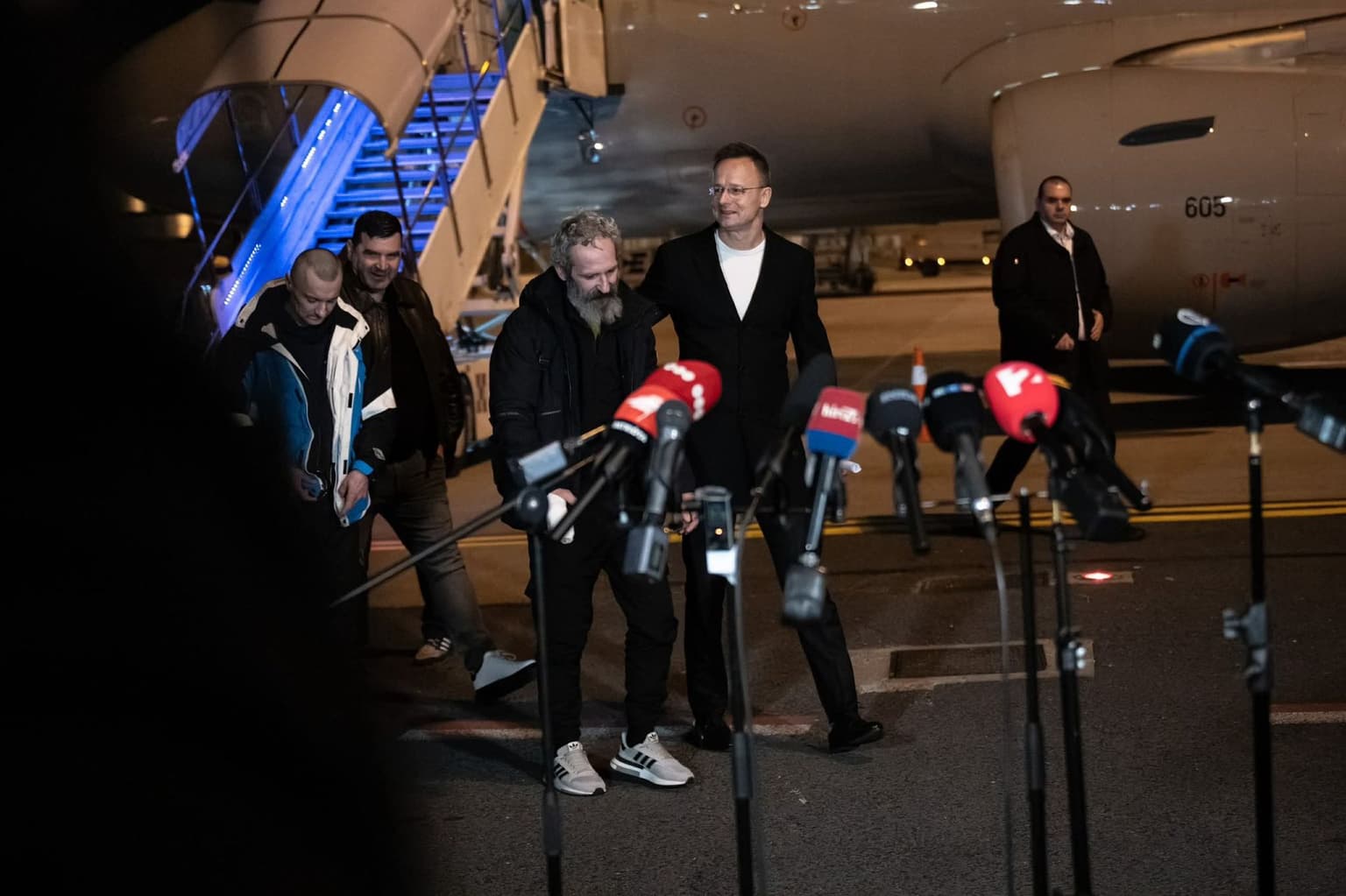
On March 5, Szijjarto released photos of the POWs getting off the airplane at night, vowing to "protect every single Hungarian person from the consequences of this war and from the war itself."
Such "manipulations" to transfer POWs to third parties without Ukrainian participation constitute a deliberate provocation to divert attention from the core issue, according to Andrii Yakovliev, an expert on International Humanitarian Law at Media Initiative for Human Rights.
Yakovliev explained that Russia's transfer of two Ukrainian-Hungarian POWs appears to be aimed at undermining the international security system and using soldiers' lives as "a tool" to shift attention from the core issue, which is the inhumane conditions in which Ukrainian POWs are held.
The Coordination Headquarters' strong push against the Russian-Hungarian agreement is likely because Ukraine has long sought to establish a protecting power or an international mechanism to oversee the conditions in which the Ukrainian POWs are held, according to Yakovliev.
"Russia deliberately creates a legal vacuum by holding prisoners incommunicado and denying international monitoring missions access to them," Yakovliev told the Kyiv Independent.