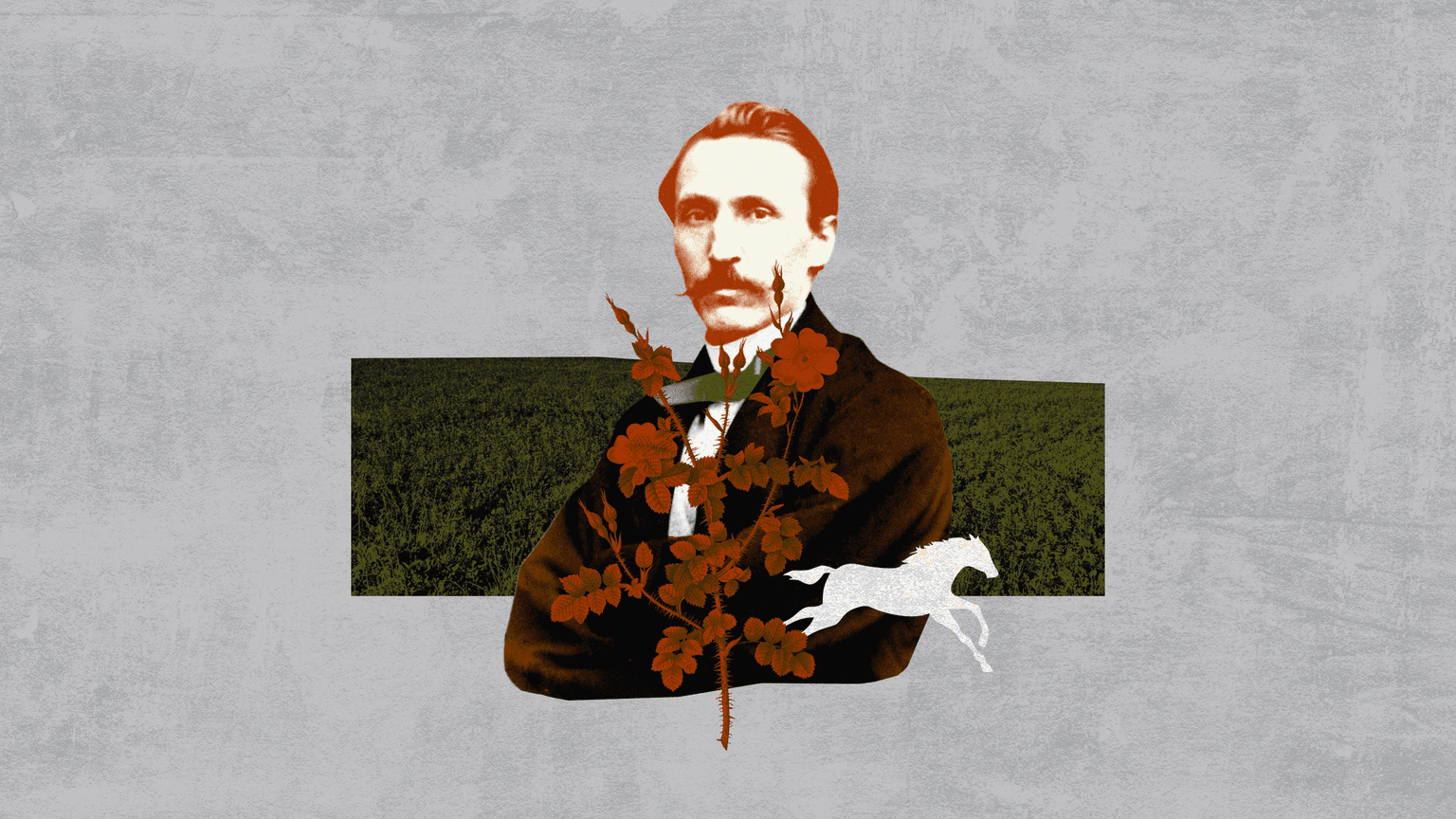
A 19th-century novel for a 21st-century war — Why Panteleimon Kulish’s ‘Black Council’ still matters
A 19th-century novel for a 21st-century war — Why Panteleimon Kulish’s ‘Black Council’ still matters

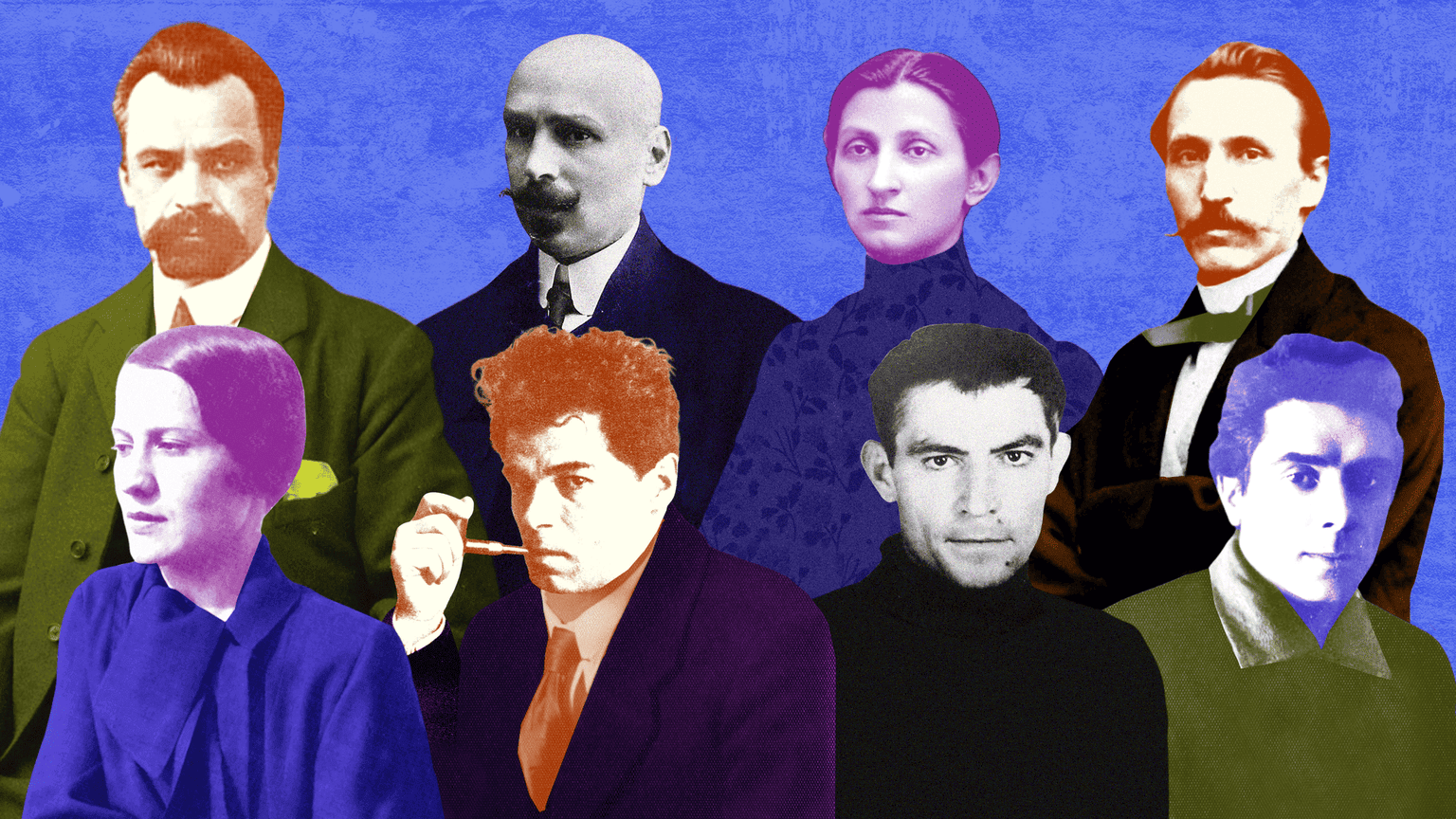
“The Hidden Canon: Ukraine’s Literary Iconoclasts,” a project backed by the Ukrainian Institute, unveils bold Ukrainian classics long hidden from international readers. These writers defied censorship, reimagined cultural identity, and pushed the boundaries of art itself — showing that Ukrainian literature is a daring, vital, and unforgettable part of the global literary canon.
A 19th-century novel for a 21st-century war — Why Panteleimon Kulish’s ‘Black Council’ still matters
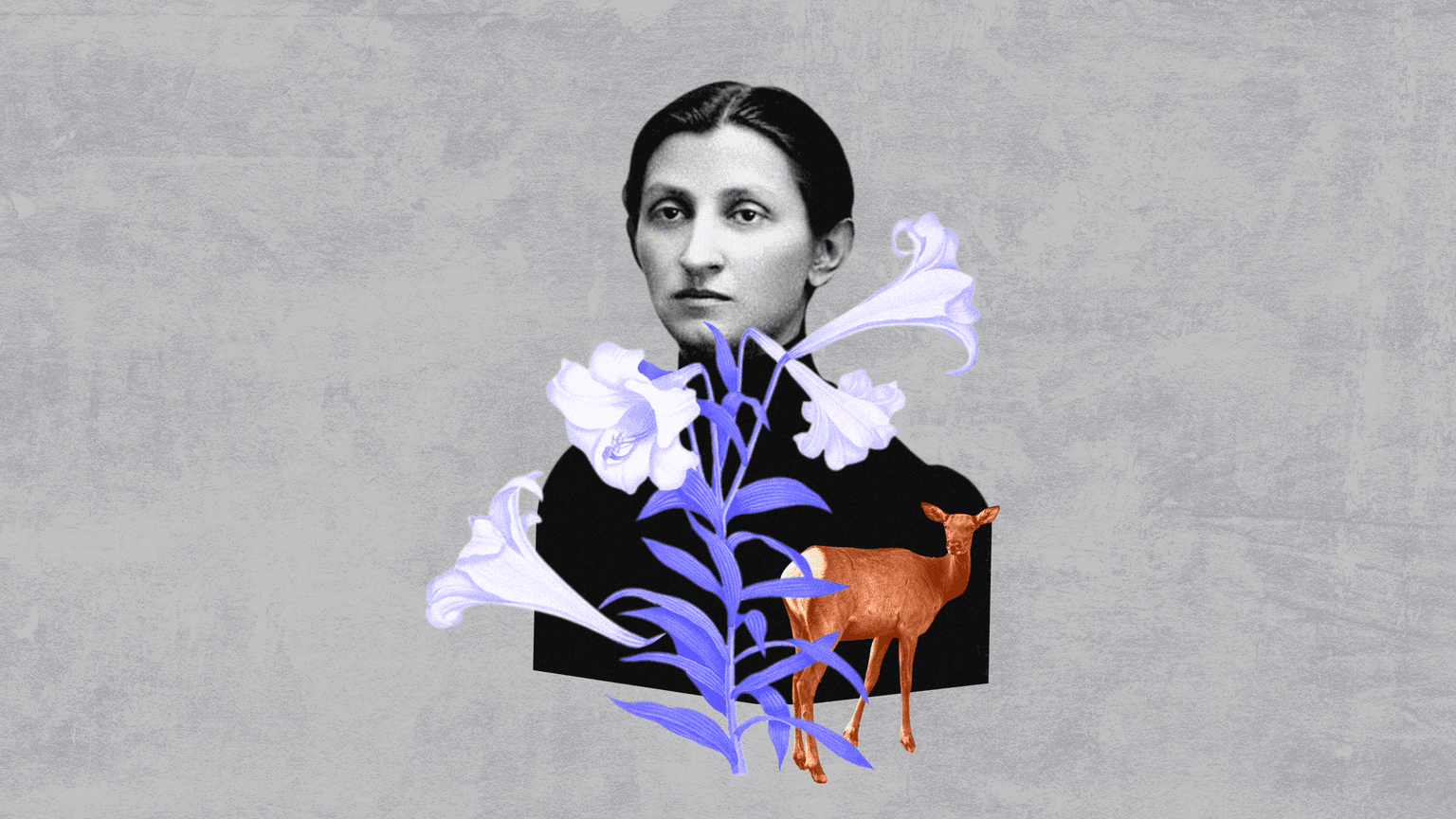
Editor's Note: This story is part of the "Hidden Canon" – a special series celebrating Ukrainian classic literature and aiming to bring it to a wider international audience. The series is supported by the Ukrainian Institute. In Olha Kobylianska’s 1891 novella “A Human Being,” the heroine Olena commits an unforgivable transgression. Not adultery, not theft, not the abandonment of her family — her "crime" is intellectual freedom. She is a woman who thinks for herself and, far worse in the eyes
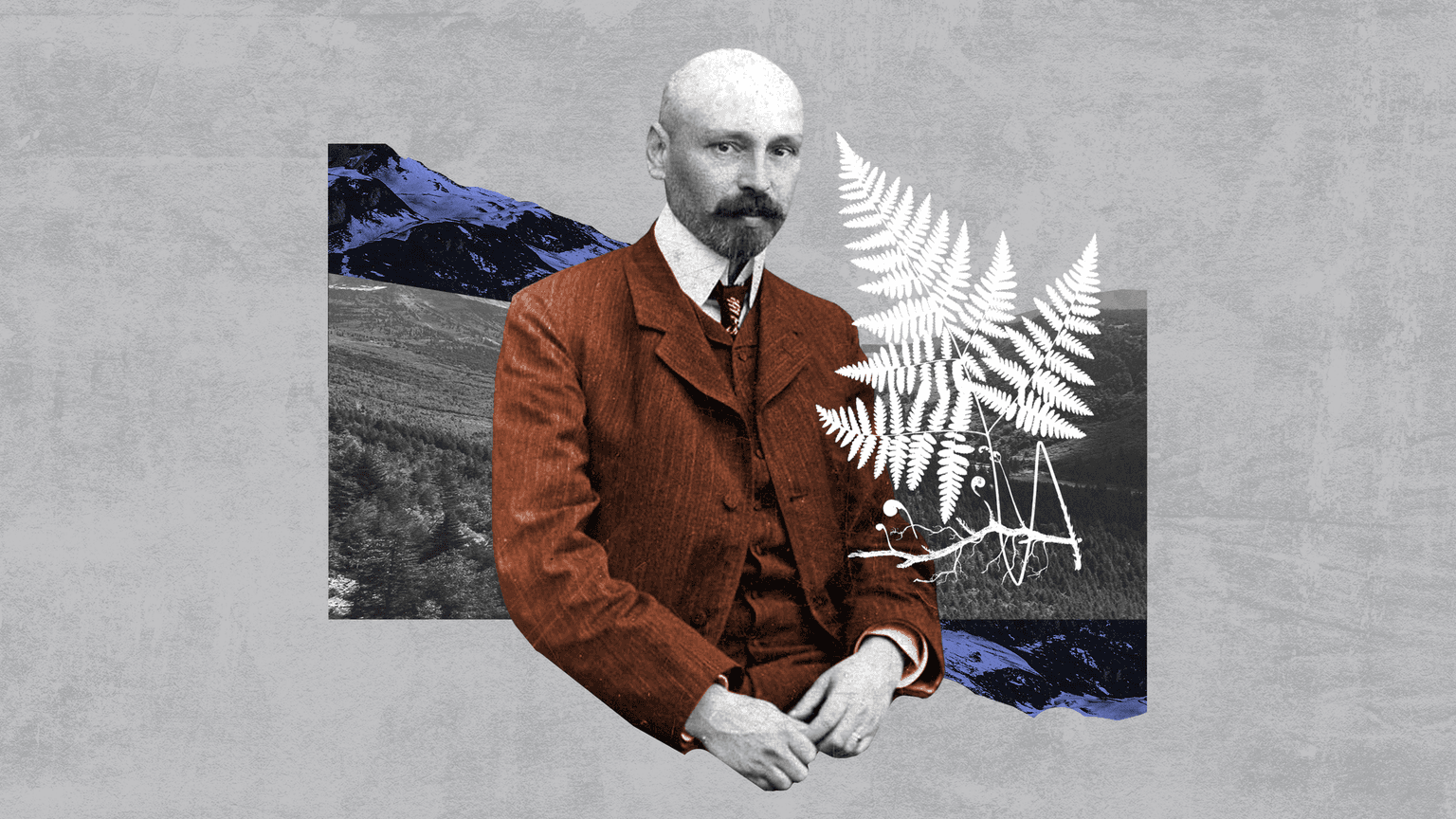
Editor's Note: This story is part of the "Hidden Canon" – a special series celebrating Ukrainian classic literature and aiming to bring it to a wider international audience. The series is supported by the Ukrainian Institute. In an age where minds rarely know rest, the craving for true stillness feels almost radical. Long before smartphones and social feeds, Ukrainian writer Mykhailo Kotsiubynskyi sensed this human need with startling clarity. More than a century ago, he created a literary ma
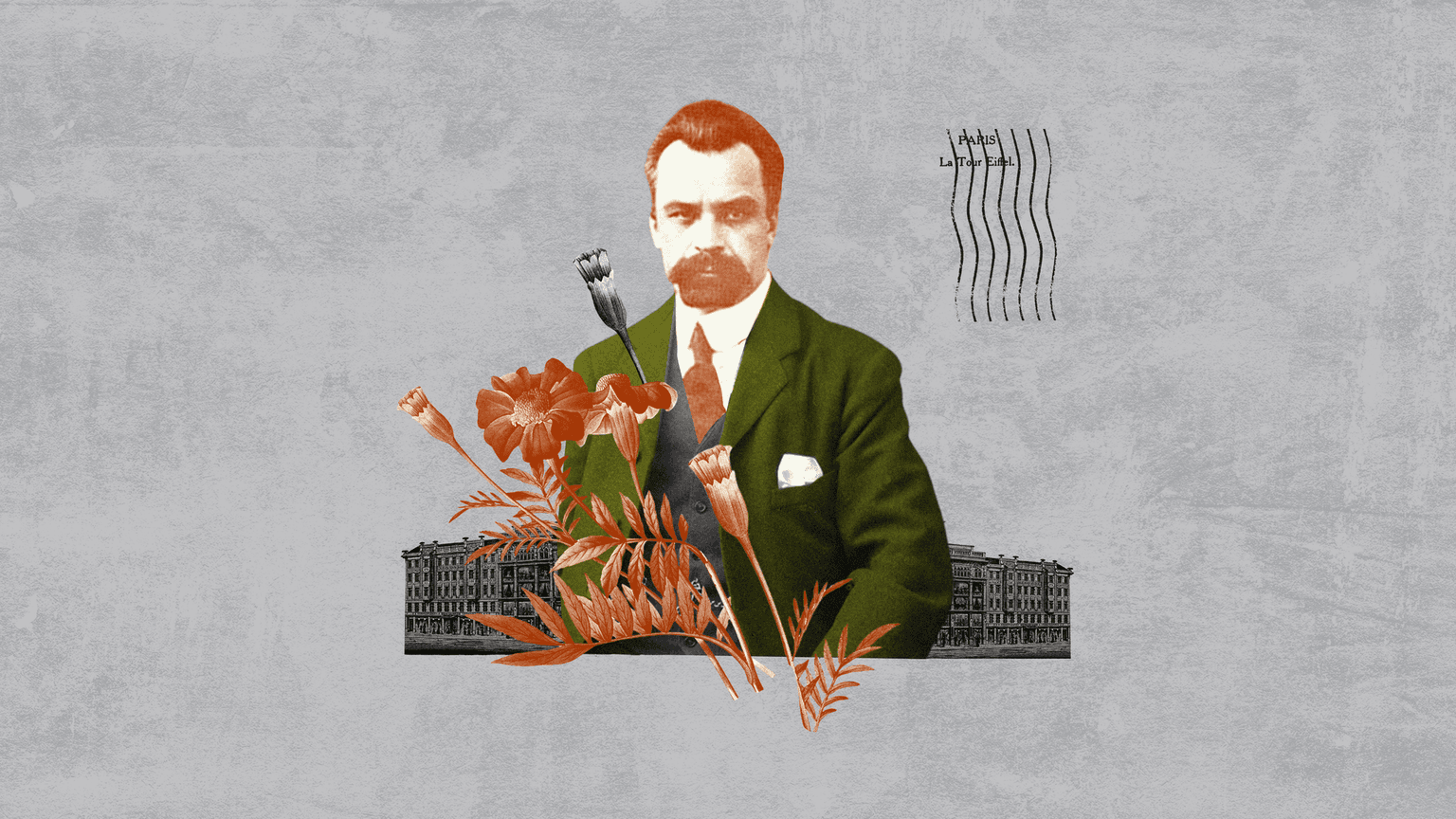
Editor's Note: This story is part of the "Hidden Canon" – a special series celebrating Ukrainian classic literature and aiming to bring it to a wider international audience. The series is supported by the Ukrainian Institute. Like many intellectuals shaped by the turmoil of the early 20th century, Ukrainian author and statesman Volodymyr Vynnychenko was an idealist. He dreamed not just of political reform in Ukraine, but of a radical new path for humanity — one liberated from the compromises an
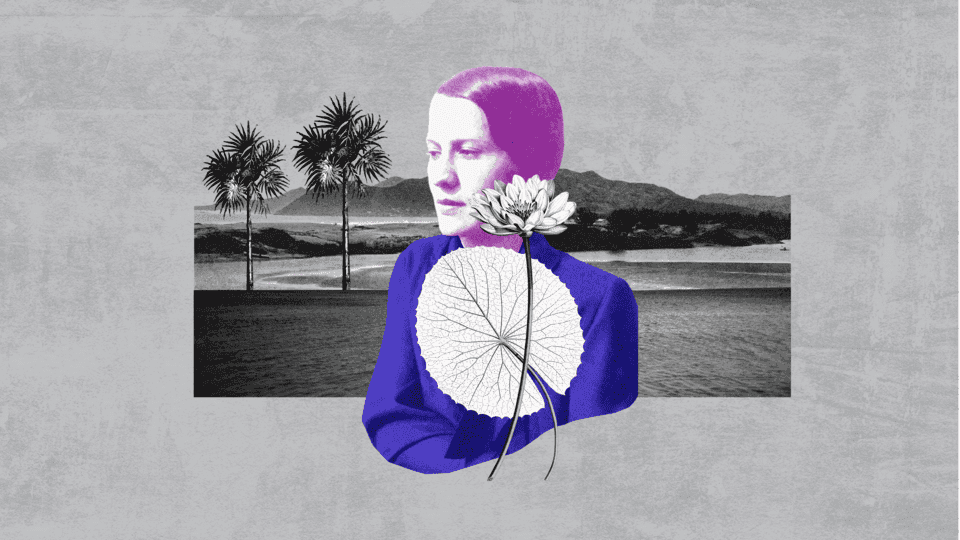 Coming Soon
The Ukrainian globe-trotter whose camera and pen dismantled colonial gazes decades before postcolonial theory had a name.
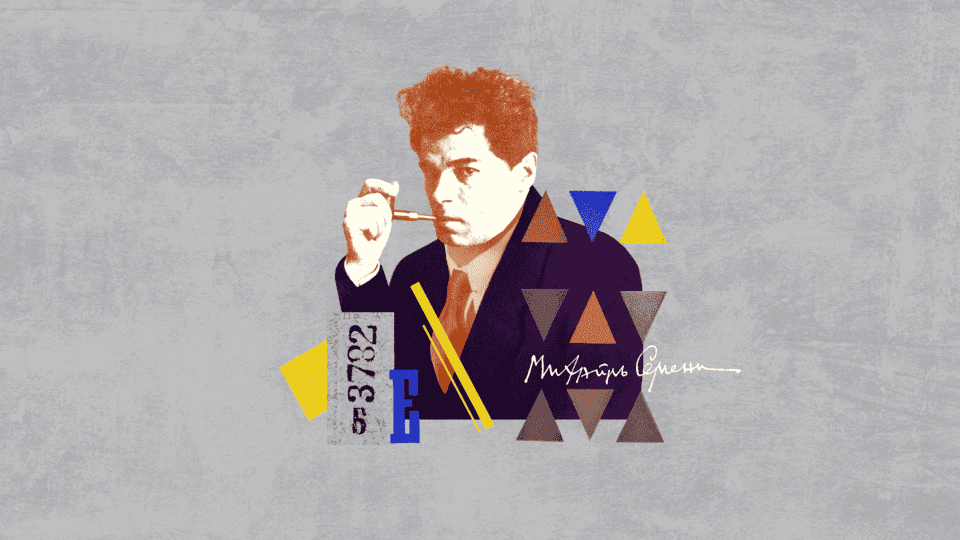 Coming Soon
The futurist who tried to blow up tradition—sometimes literally—dragging Ukrainian poetry into the electric pulse of the European avant-garde.
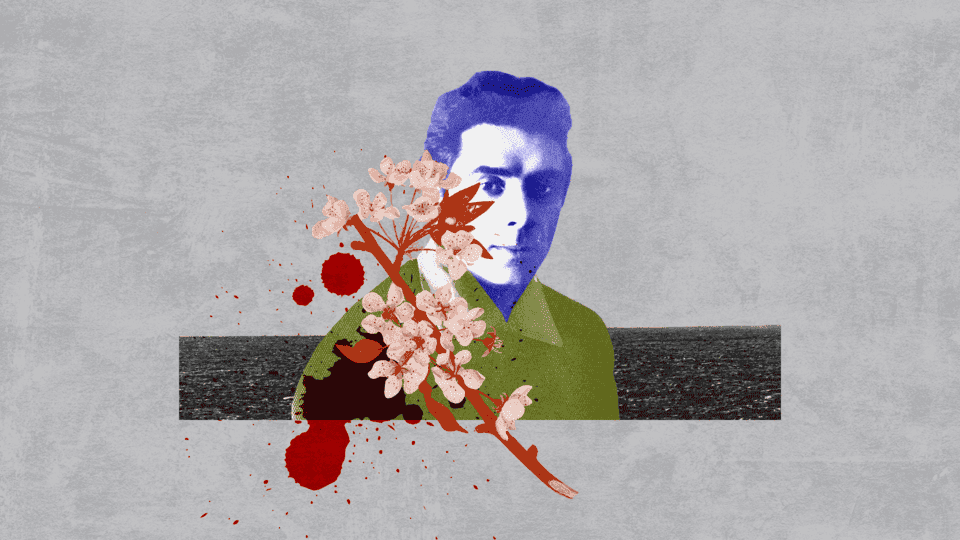 Coming Soon
The modernist whose fragmented, cinematic prose fused revolutionary ecstasy with existential dread, foreseeing both the promise and the terror of the 20th century.
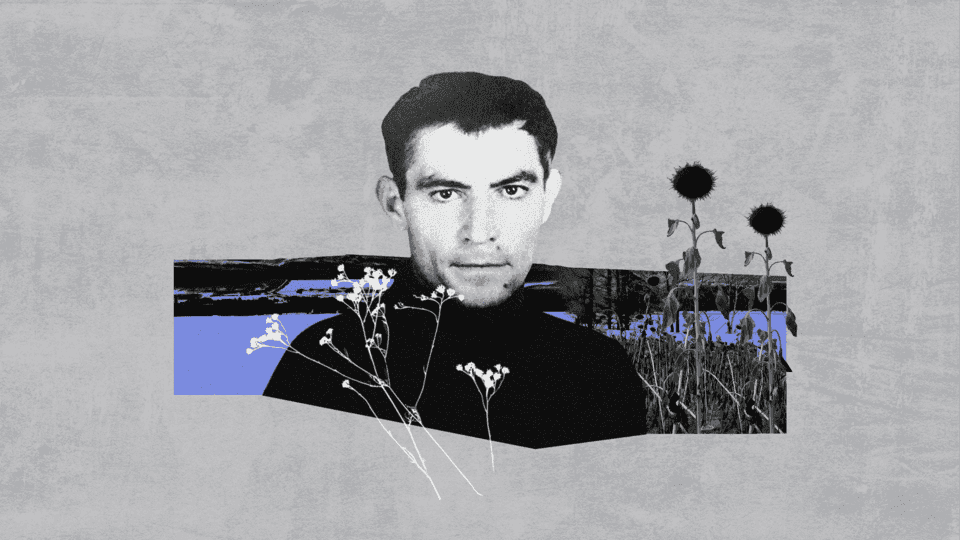 Coming Soon
The poet who transformed suffering into ethical clarity, writing himself into world literature from inside a prison cell.
Our partner
The Ukrainian Institute is the national cultural institute of Ukraine, affiliated with the Ministry of Foreign Affairs of Ukraine.
As the country's key cultural diplomacy institution, it develops cultural relations between Ukraine and other countries to enhance knowledge and understanding of Ukraine internationally.