Russia tightens passport rules for children in occupied Ukraine, complicating escape, activists say
 on Google
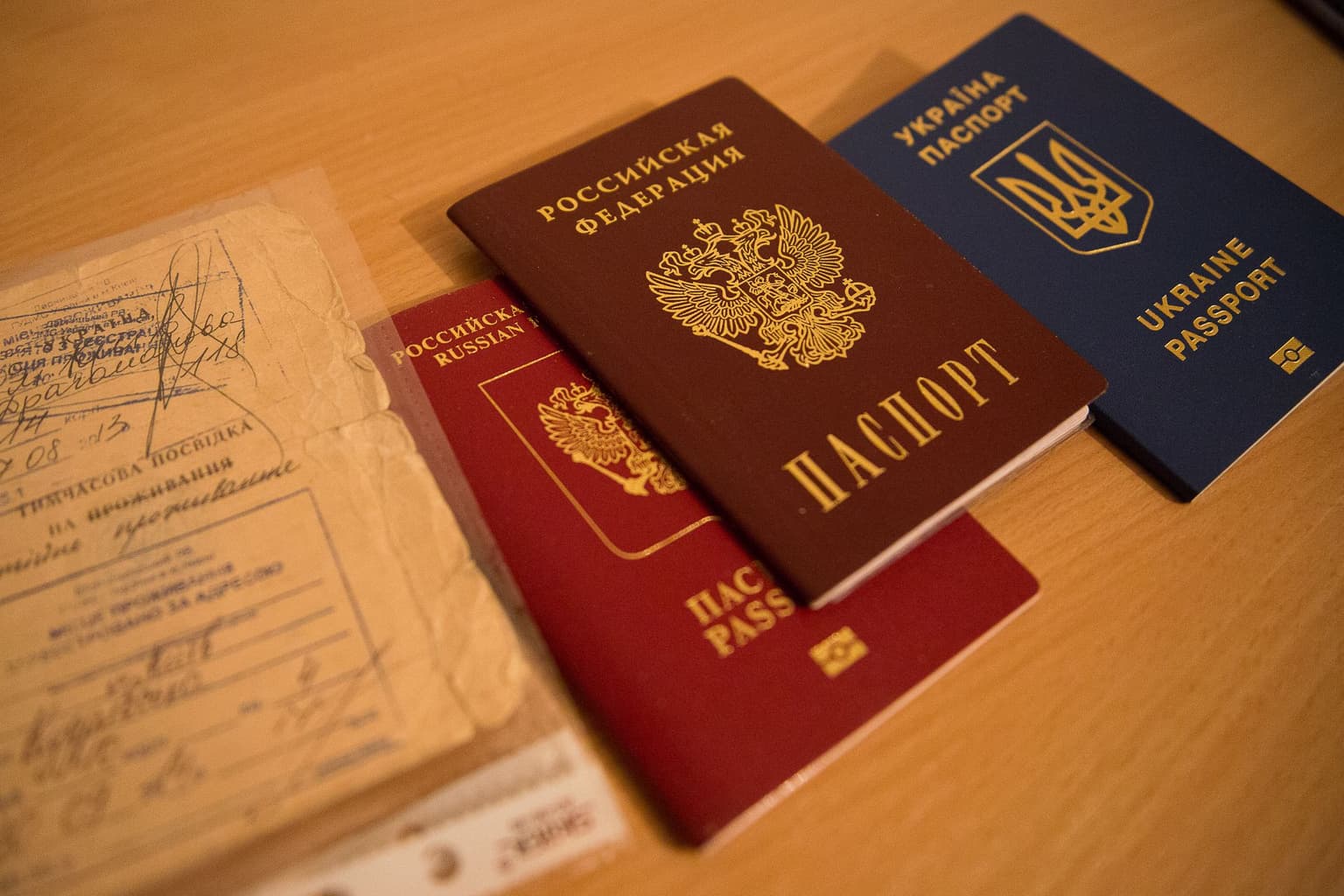
A new Russian law requires Ukrainian children in Russian-occupied parts of Ukraine to obtain Russian international passports to travel abroad; experts say the move complicates efforts to flee the occupation.
A law that took effect Jan. 20 bars children under 14 from traveling abroad without a Russian international passport, Russian state media outlet TASS reported, citing the migration service of Russia's Ministry of Internal Affairs.
Russian citizens can travel to Belarus, Kazakhstan, Kyrgyzstan, and the Russian-occupied Georgian regions of Abkhazia and South Ossetia without an international passport, using only Russia's domestic passport.
Putin issued a decree on March 20, 2025, ordering Ukrainians in Russian-occupied parts of Ukraine to "regulate their legal status" under Russian law or leave — a move rights groups say effectively forces residents to take Russian citizenship. The Jan. 20 law marks another stage of Russia's attempt to "Russify" Ukrainians in occupation while forcing their children to take not only a Russian domestic passport, but also an international one.
Iryna Sedova, a researcher at the Crimean Human Rights Group, said that the sole purpose of the new measure is to prevent Ukrainians from taking their children out of occupied territory, in comments to Suspilne Crimea.
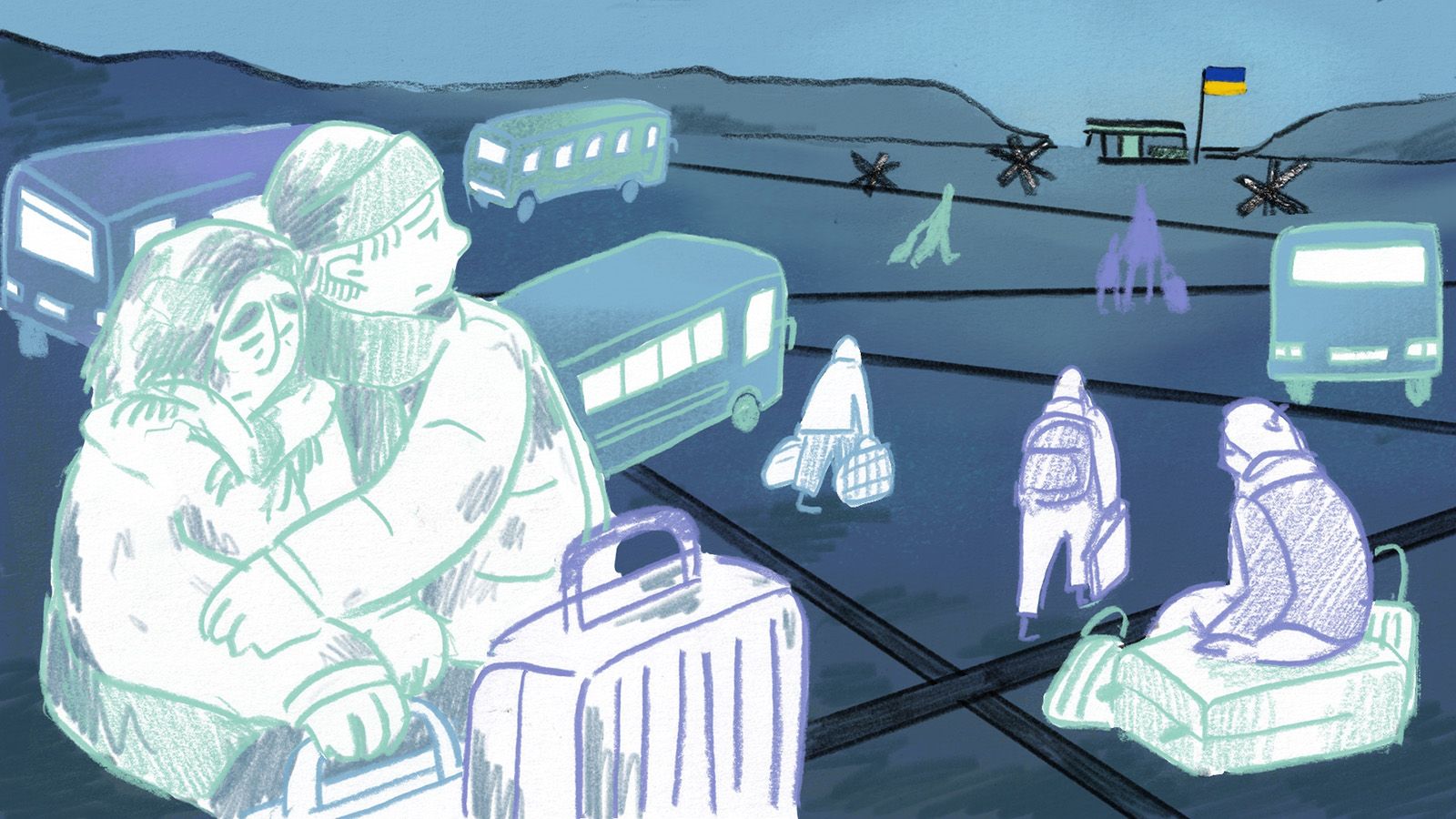
Olha Chentsova, the evacuation coordinator with the NGO Helping to Leave, told the Kyiv Independent that the new requirement "significantly complicates" efforts to leave Russian-occupied parts of Ukraine. Without a passport, she said, it is now impossible to even buy a ticket to neighboring Belarus.
Chentsova said that families facing pressure for various reasons, including a pro-Ukrainian stance, often decide to leave within a single day. The new rule, she said, makes such urgent departures impossible.
She added that the requirement could cause financial strain, especially for those living in small towns, who may have to pay fees and travel costs to an administrative center.
"Russia continues to impose legislative barriers to the outflow of children from the occupied territories and continues its genocidal policy," Chentsova said.
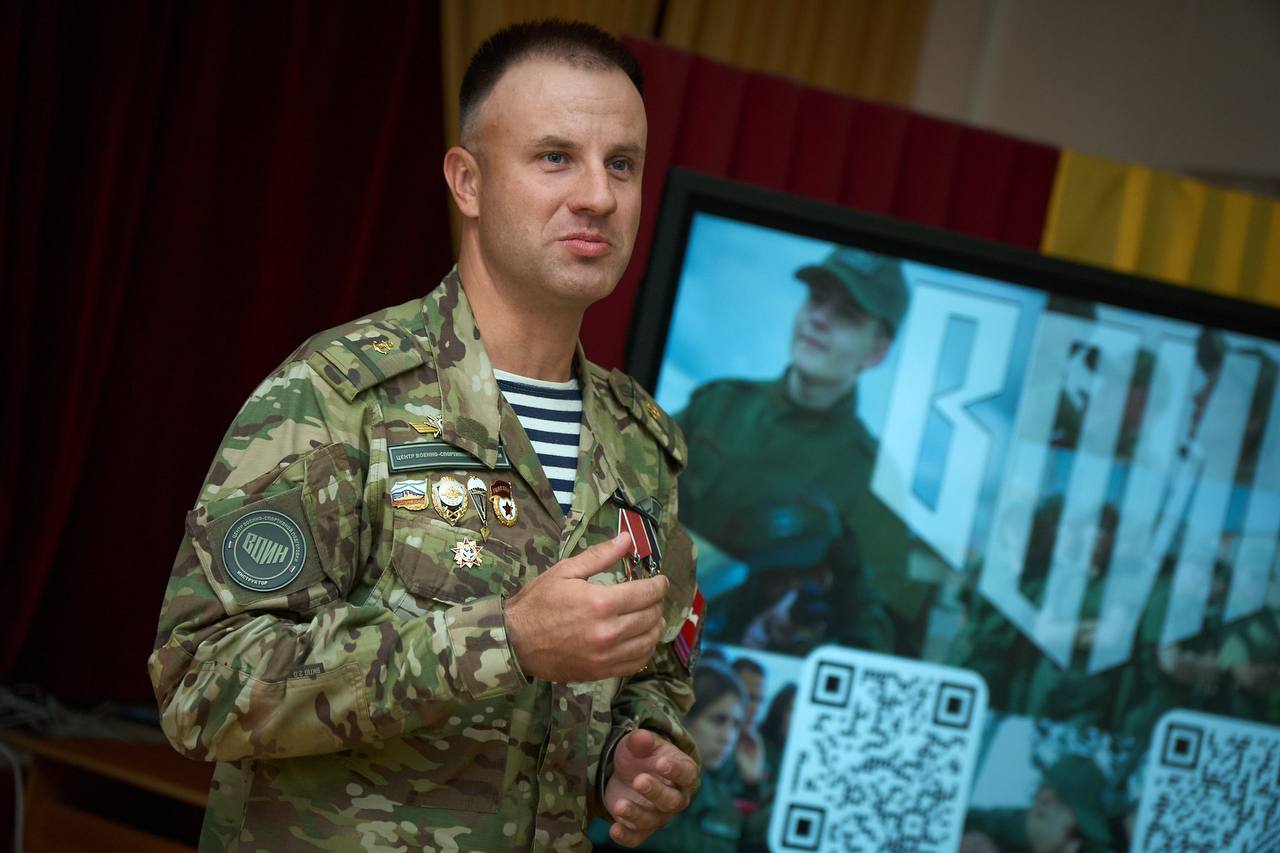
For Ukrainian children, life under Russian occupation often means continuous exposure to Russian propaganda, as occupation authorities seek to assimilate and militarize them.
According to a report by Save Ukraine and War Child U.K., published on Sept. 11, more than half of Ukrainian children living under Russian occupation had been subjected to indoctrination, while some reported torture and sexual violence.
Based on testimonies from 200 children returned from occupied territories and Russia, the report describes Moscow's campaign as the largest, most organized assault on children's rights in Europe since the Yugoslav wars.
About 55% of surveyed children reported experiencing indoctrination, 10% said they were subjected to torture or other cruel treatment, and 6% reported sexual violence.
"Every day felt like we were being shaped into something we weren't. They didn't treat us like kids. They wanted us to behave like their soldiers," a 16-year-old girl from Kherson Oblast said in her testimony.
Researchers concluded that Russia aims to erase Ukrainian identity and prepare the children for eventual use in its armed forces, potentially forcing them to fight against their own country.
read also
 Olesia Bida
 Yuliia Taradiuk
 Yuliia Taradiuk