'It's disgusting' — How Russia legalized property theft in Ukraine's occupied territories
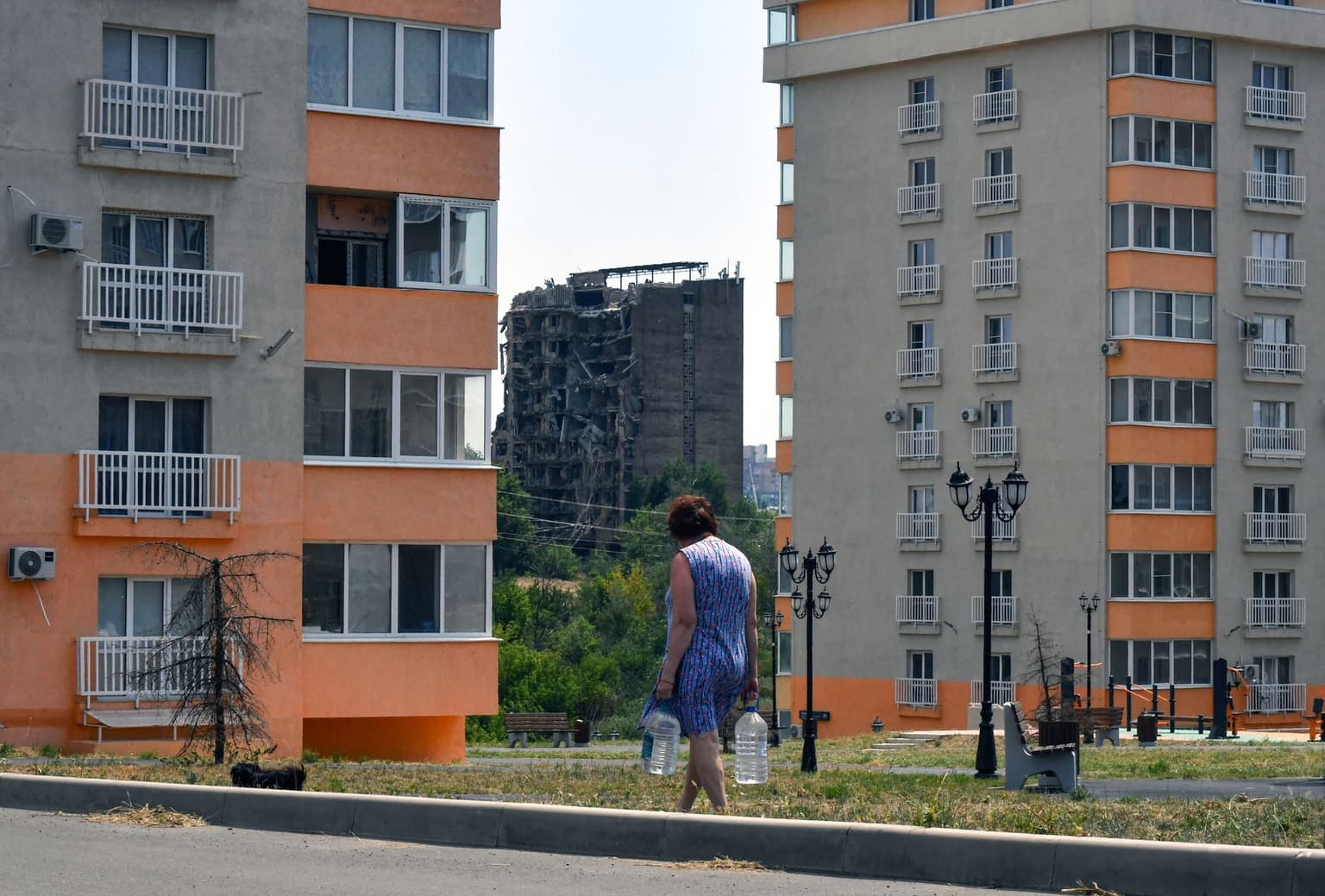
A woman carries bottles of water in the Russia-occupied Mariupol, Ukraine, on July 14, 2025. (Olga Maltseva / AFP via Getty Images)
 on Google
Editor's note: The names of some of those from Russian-occupied Ukraine have been changed for security reasons.
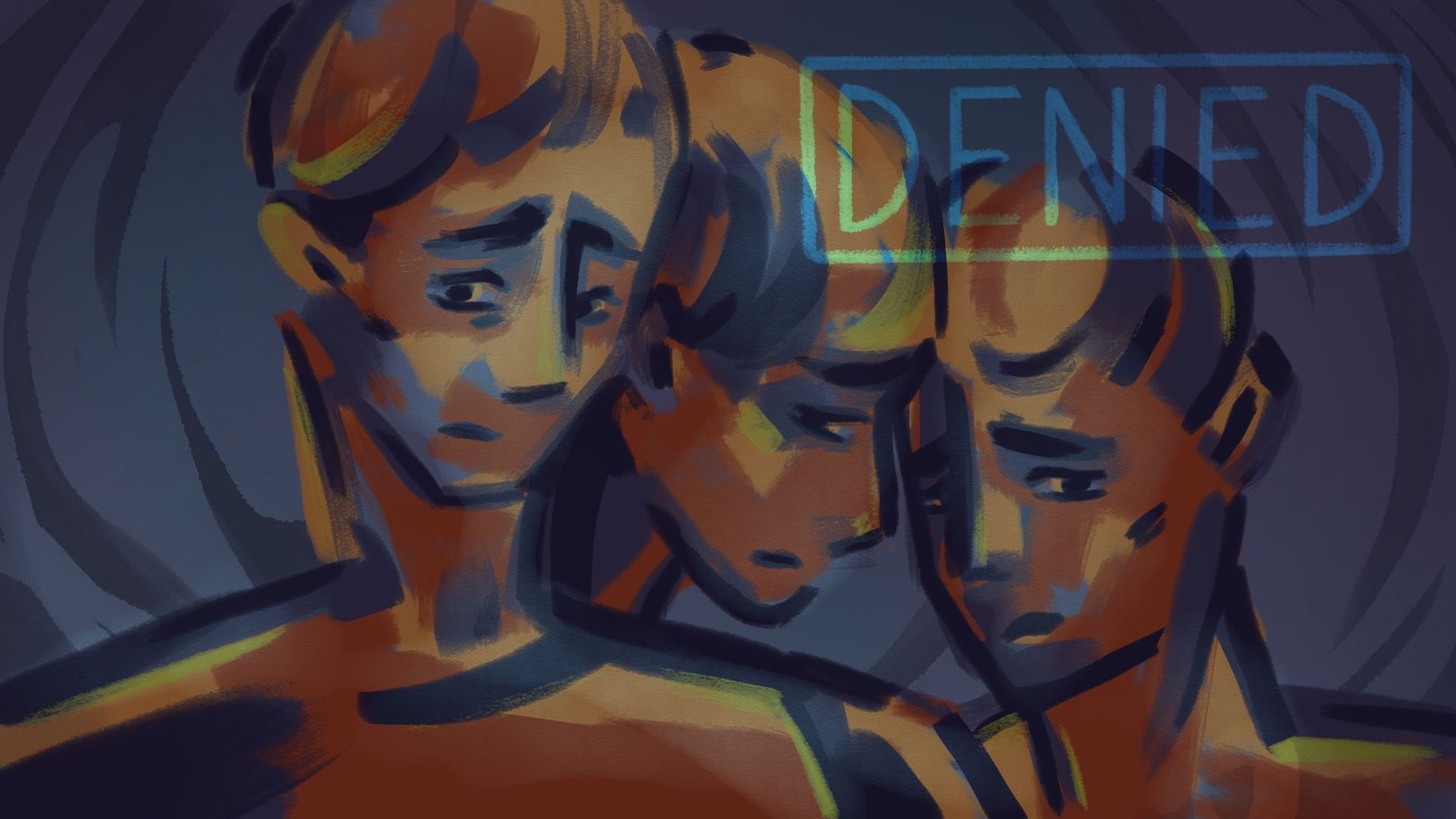
With one decree, Russian President Vladimir Putin this month effectively legalized property theft in Ukraine's occupied territories.
The new law allows the occupational authorities to seize residential premises that "show signs of being ownerless." In reality, the owners have usually fled, or been killed by, Russia's full-scale invasion.
"I'm in utter despair that the Russians are taking my apartment, and I am powerless to stop it," Anna Shevchenko, 30, who lived in Mariupol when Russia invaded in 2022, told the Kyiv Independent.
"That house holds all my childhood memories. I love it very much."
In a further move designed to solidify Moscow's control over the Ukrainian territories it has illegally annexed, and "Russify" the population that remain, the new decree also states that property belonging to Ukrainians without "valid" documentation can be confiscated.
But proving ownership must be done in person and documents are only accepted alongside a Russian passport.
5,000 apartments have already been taken by Russians in the city, with the number increasing by 100-200 per week.
"I cannot go there because I need to obtain a Russian passport, and they won't let me in because of my (pro-Ukraine) views, and if they do, I fear they will rape and kill me," Anna said.
Anna's cousin remained in Mariupol and currently lives in the apartment. He is not listed as the official owner and the new decree means he can now be evicted and made homeless at any moment.

An ongoing process
The new decree is just the latest step in a process of theft and looting of Ukrainian property that begins as soon as Russian troops occupy Ukrainian territory.
Petro Andriushchenko, head of the Center for the Study of the Occupation, told the Kyiv Independent that the new law "officially legalizes the process," saying it gives occupation authorities the power to "seize anyone's property at their own discretion, simply by refusing to accept the ownership documents."
He adds that 5,000 apartments have already been taken by Russians in the city, with the number increasing by 100-200 per week.
Anna's story is one of many thousands. Putin's decree applies to the occupied parts of Donetsk, Luhansk, Zaporizhzhia, and Kherson oblasts. Overall, in the four oblasts, nearly 25,000 properties were considered to be "ownerless" as of October 2025, according to an Oct. 11 report by Le Figaro.
Who gets the seized property?
According to the law, seized housing may be redistributed to local residents who have lost their homes or tenants. It also permits the use of these properties to accommodate Russian-appointed officials and occupation administration staff.
Andriushchenko stated that "ownerless" properties are initially allocated to the security forces, followed by public sector employees. Newcomers from Russia are also taking advantage of such properties.
Several reports from the Yellow Ribbon resistance movement, a Ukrainian civil resistance network active in occupied areas, say the Russian military is also being given seized properties.
Yuliia Boklah, co-CEO of Helping to Leave, a volunteering organization that assists those who want to leave the Russian occupation, told the Kyiv Independent that there are "notorious reports from Mariupol, where Russian realtors sold local residents' apartments to Russians 'at bargain prices.'"
"It's a disgusting, dirty feeling that someone will be walking on the floor where my grandmother died during the siege of Mariupol, the home where I was brought from the maternity ward."
"This continues Russia's criminal policy of replacing Ukrainians with Russians in the occupied territories, which it has been pursuing for many decades," she added.

Yanina Andrieieva, 28, evacuated her disabled father from Mariupol after the city was occupied, but he passed away a year after they escaped to Ukrainian-held territory.
For her, the new decree issued by Putin just adds to her grief.
"It's a disgusting, dirty feeling that someone will be walking on the floor where my grandmother died during the siege of Mariupol, the home where I was brought from the maternity ward," she told the Kyiv Independent.
"It wasn't my choice to say goodbye to this home. They took it away from me and took away any choice of what to do with it."
A near impossible choice
A steady trickle of Ukrainians still manage to escape Russian-occupied territory, but Boklah said the new decree will make it even harder for people to try undertaking the perilous journey.
"Many people in the occupied territories do not dare to leave, knowing that their homes would be taken away by Russians. This law will likely make this process even more systematic and may influence people's decisions to evacuate," Boklah said.
The Kyiv Independent in Oct. 2025 spoke to several people who left the occupied territories but planned to go back because of a fear their houses would be repossessed.
"We just built the house... How can we now abandon it and give everything to Russians?" one woman from the occupied part of Zaporizhzhia Oblast, said.
Boklah said that Russia uses such "laws" to try to urge people who left the occupation to come back, obtain a Russian passport, and sell property.
"Many people who were forced to leave their homes in the occupied territories dream of returning home. The realization that their homes will be taken away by the occupiers and that Russians will live there will hit them very hard," she said.
"Russians are not just taking away Ukrainians' homes every day. They are declaring their crimes at the level of the law."