News from occupied Ukraine: Moscow to relocate nearly 114,000 Russians to occupied territories
 on Google

This weekly update from the Kyiv Independent aims to shed light on the situation facing Ukrainians living under Russian occupation and the tight control of information imposed by the Kremlin.
Key news as of March 21:
- Russia unveils plans to resettle occupied Ukrainian territories
- Russian occupation court jails 69-year-old woman for donating to Ukrainian army
- From street detentions to car seizures, Russia intensifies conscription of Ukrainians in occupied territories
- Russia uses failed exams to funnel students into army in occupied territories, militarizing Ukrainian youth
- China, Iran help Russia prop up economy in occupied Ukrainian territories
- 12 years after Crimea annexation, Ukraine says nearly 300 still jailed on fabricated political charges
Russian authorities aim to relocate nearly 114,000 citizens to occupied Ukrainian territories by 2045, pro-Kremlin publication Vedomosti reported on March 17, citing government plans for the development of Donetsk, Luhansk, Zaporizhzhia, and Kherson oblasts.
As of the end of 2025, about 116,000 square kilometers (44,800 square miles) of Ukrainian territory remained under Russian occupation, according to Ukrainian open-source mapping project DeepState.
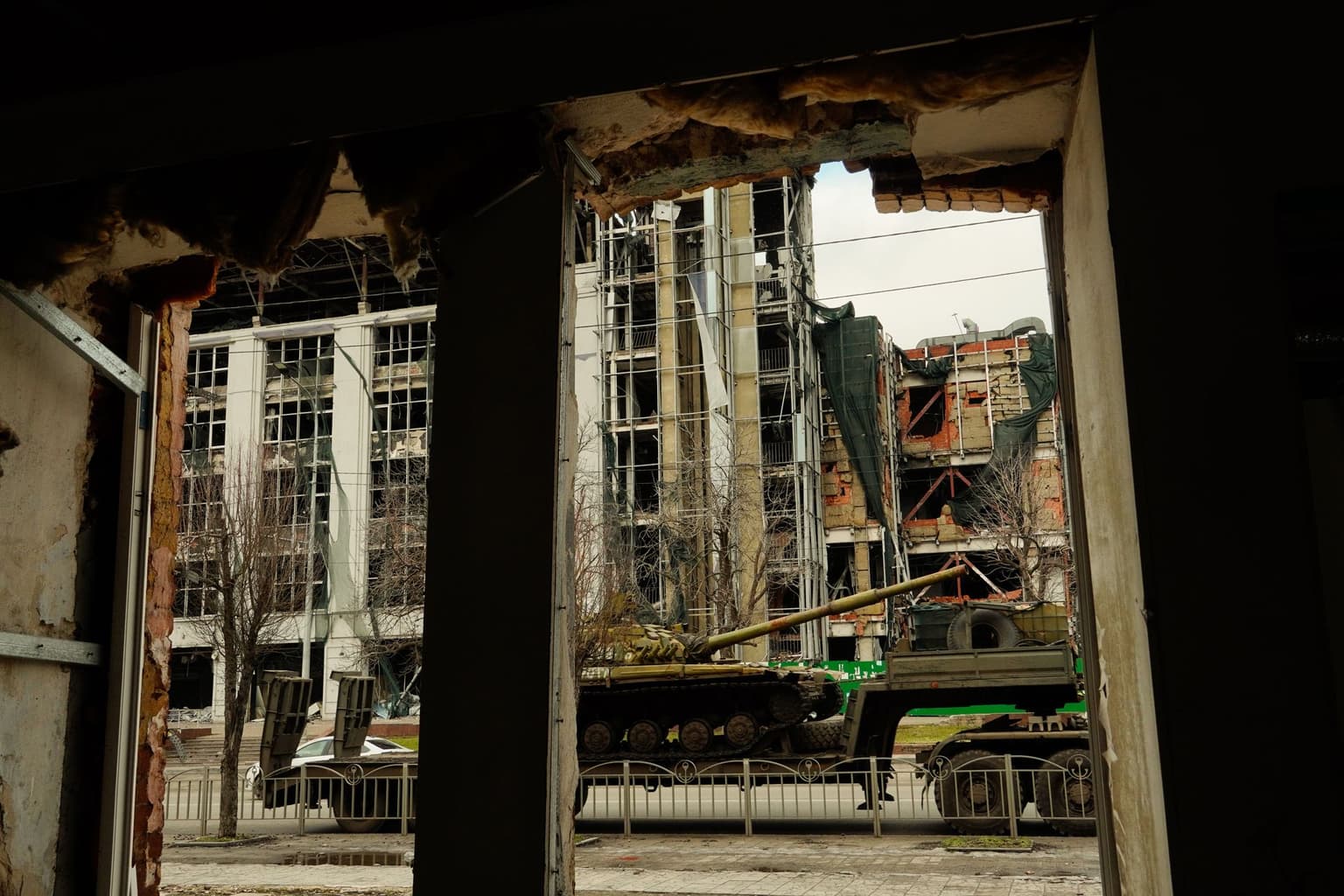
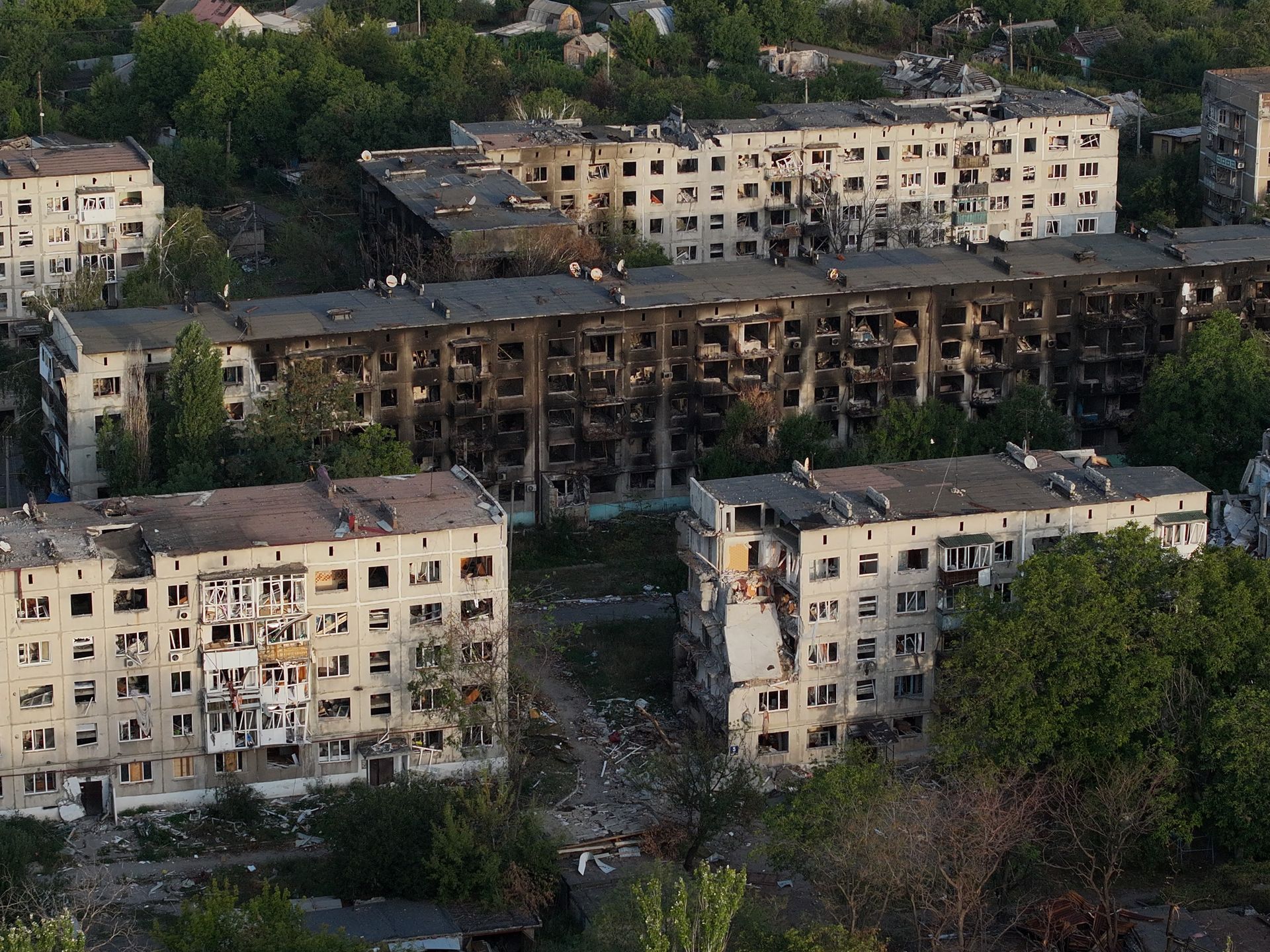
Russian forces have repeatedly used scorched-earth tactics in these areas, leveling homes and critical infrastructure, leaving the vast majority of occupied territories in ruins, often without access to electricity or running water.
The government has announced 15 master plans and 10 land-use projects, which it says could increase the population by 67,000 people under the master plans and a further 46,700 through the projects, Vedomosti reported.
Russia aims to build more than 13 million square meters of housing, over 140 kindergartens, several dozen schools, and about 100 medical facilities in occupied Ukrainian territories, according to the state development corporation VEB.RF.
According to the plans, roughly 3,270 kilometers (2,033 miles) of roads and about 430 kilometers (267 miles) of railways are set to be rebuilt in the occupied territories. The Russian government also intends to construct marinas and piers and to reconstruct four airfields.

Russian occupation court jails 69-year-old woman for donating to Ukrainian army
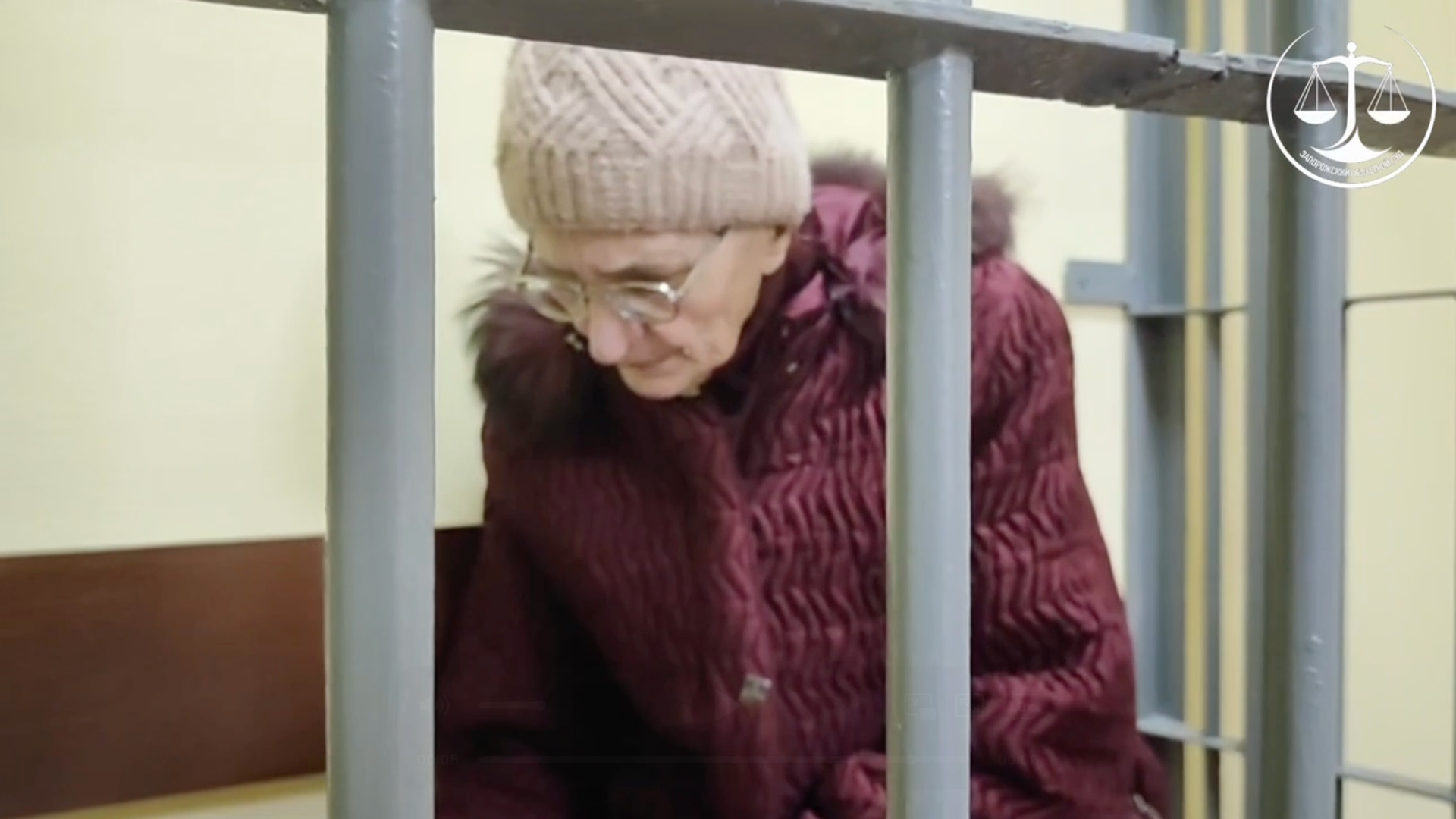
Russian authorities in occupied Zaporizhzhia Oblast have sentenced a 69-year-old Halyna Bekhter to 11 years in jail for donating to the Ukrainian army, Ukraine's Ombudsman Office said on March 15.
"When an elderly woman is targeted by the repression machine, it is clear that this is not about 'justice' but about terror against civilians," the office wrote on Facebook.
Russia regularly sentences Ukrainian citizens for donations to the Ukrainian Armed Forces, accusing them of treason. On Feb. 10, 2026, the same court sentenced another 69-year-old woman living in occupied Tokmak, Zaporizhzhia Oblast, to 15 years in prison for donating her Ukrainian pension to the Ukrainian army.
From street detentions to car seizures, Russia intensifies conscription of Ukrainians in occupied territories
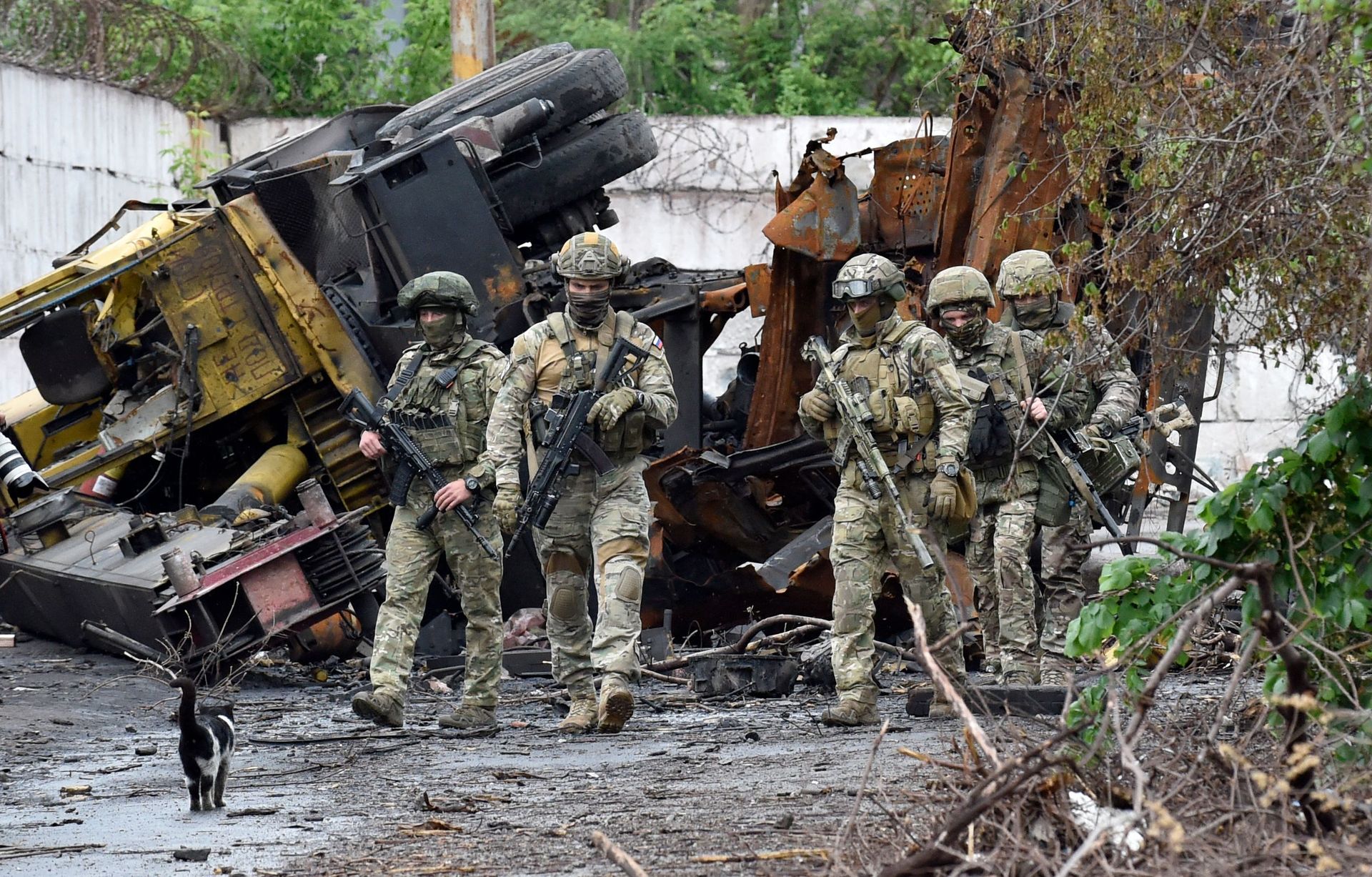
Russia continues conscripting Ukrainians into the Russian army in occupied territories, according to the reports from the National Resistance Center of Ukraine.
In occupied territories, Ukrainians are forced to take Russian passports and register for military service, which in turn allows Russia to draft them.
Russia is taking various measures to conscript Ukrainians. Find out more about theses measures in the Kyiv Independent's article.
Russia uses failed exams to funnel students into army in occupied territories, militarizing Ukrainian youth, lawyer says
Forcing Ukrainian students in Russian-occupied territories to join the Russian army if they fail an exam is another example of Russia's militarization of Ukrainian youth, Taya Avram, a lawyer within the Donbas SOS NGO, told the Kyiv Independent on March 20.
Russia regularly commits war crimes in the occupied territories against Ukrainian children and young people who, for various reasons, cannot leave for areas under Ukrainian control. One of the most common abuses is the forced conscription of individuals who have recently reached adulthood into the Russian army to fight against Ukraine.
Oleksii Kharchenko, the head of Ukraine's Luhansk military administration, said on March 17 that students who failed their exams and are trying to retake them are being coerced into joining Russian forces in exchange for keeping their spot at the academic institution.
In doing so, Russia violates the laws and customs of war, as the mobilization of civilians and the militarization of education violate the Geneva Convention on the Protection of Civilian Persons in Time of War and are regarded as war crimes under international humanitarian law.
China, Iran help Russia prop up economy in occupied Ukrainian territories
The authoritarian regimes of China, Iran, and North Korea are actively engaged in reshaping the economy within Russian-occupied territories in Ukraine, a new report has revealed.
The Eastern Human Rights Group and the Institute for Strategic Research and Security published an analytical report last week that features the role of Russia's allies in the economic reorientation of all Ukrainian territories occupied by Russia since 2014 and during the full-scale invasion.
The report indicates that Russia has been substituting Western technology and financial systems in Crimea, occupied parts of Luhansk, Donetsk, Zaporizhzhia, and Kherson oblasts, with the backing of China, Iran, and North Korea, to circumvent international isolation and sanctions from Europe and the United States.
Vera Iastrebova, the head of the East Human Rights Group, told the Kyiv Independent that Russia aims to retain control over the occupied territories but requires external allies willing to operate outside "standard international rules" to compensate for "Russia's own weaknesses."
"The entry of China, Iran, and North Korea to the temporarily occupied territories is not a sign of (Russia's) strength but a sign of forced adaptation," Iastrebova said.
"It forms a new model of occupation economy — opaque, militarized, dependent on shadow routes, cheap politically motivated decisions, and external suppliers who are not interested in the region's development but only in its functional exploitation."
12 years after Crimea annexation, Ukraine says nearly 300 still jailed on fabricated political charges
Around 300 people are currently being held in Russian captivity on politically fabricated charges in occupied Crimea, including 159 Crimean Tatars, Ukraine's Foreign Ministry said on March 16.
The ministry issued the statement on the 12th anniversary of Russia's illegal annexation of Crimea in 2014, when Russian forces organized what Kyiv described as a "fake and illegal referendum" under the presence of Russian troops.
According to the ministry, Russia has since built a system of repression on the peninsula targeting activists, journalists, and members of the Crimean Tatar community, the peninsula's indigenous people.
"Russia has turned Crimea into a territory of lawlessness, where people are intimidated, persecuted, and imprisoned simply for the language they speak, the views they hold, or the faith they practice," the ministry said.