'I don’t remember prices rising this fast' — Soaring oil prices strain Ukraine’s war economy
 on Google

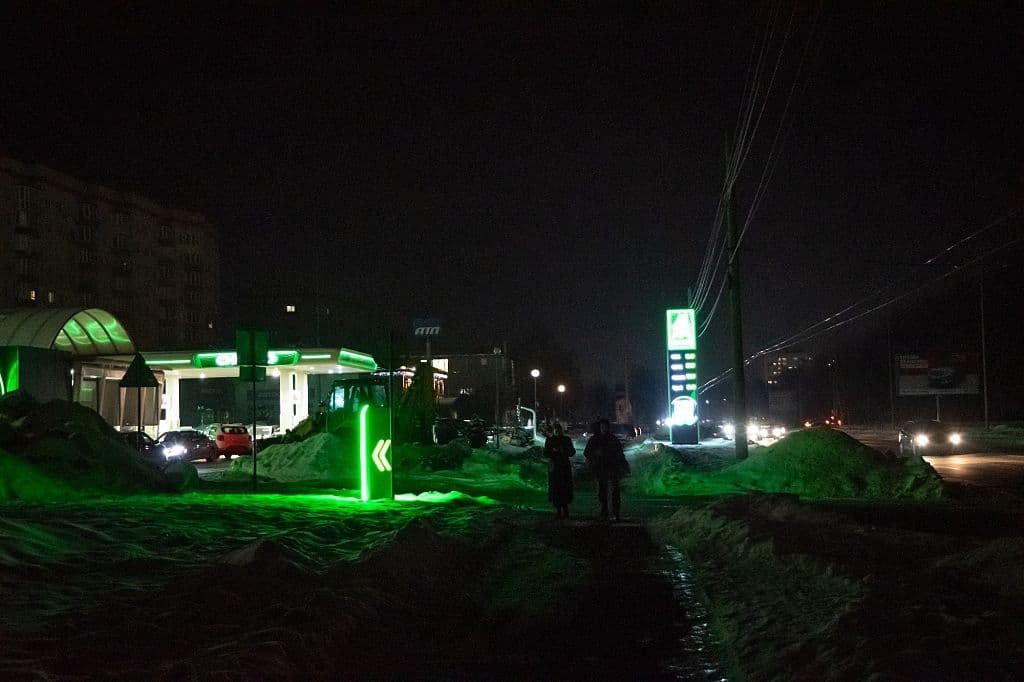
The Iran war is hitting Ukrainians at the pump, as rising global energy prices ripple through the war-battered economy that is only just emerging from an energy crisis and significant bout of inflation.
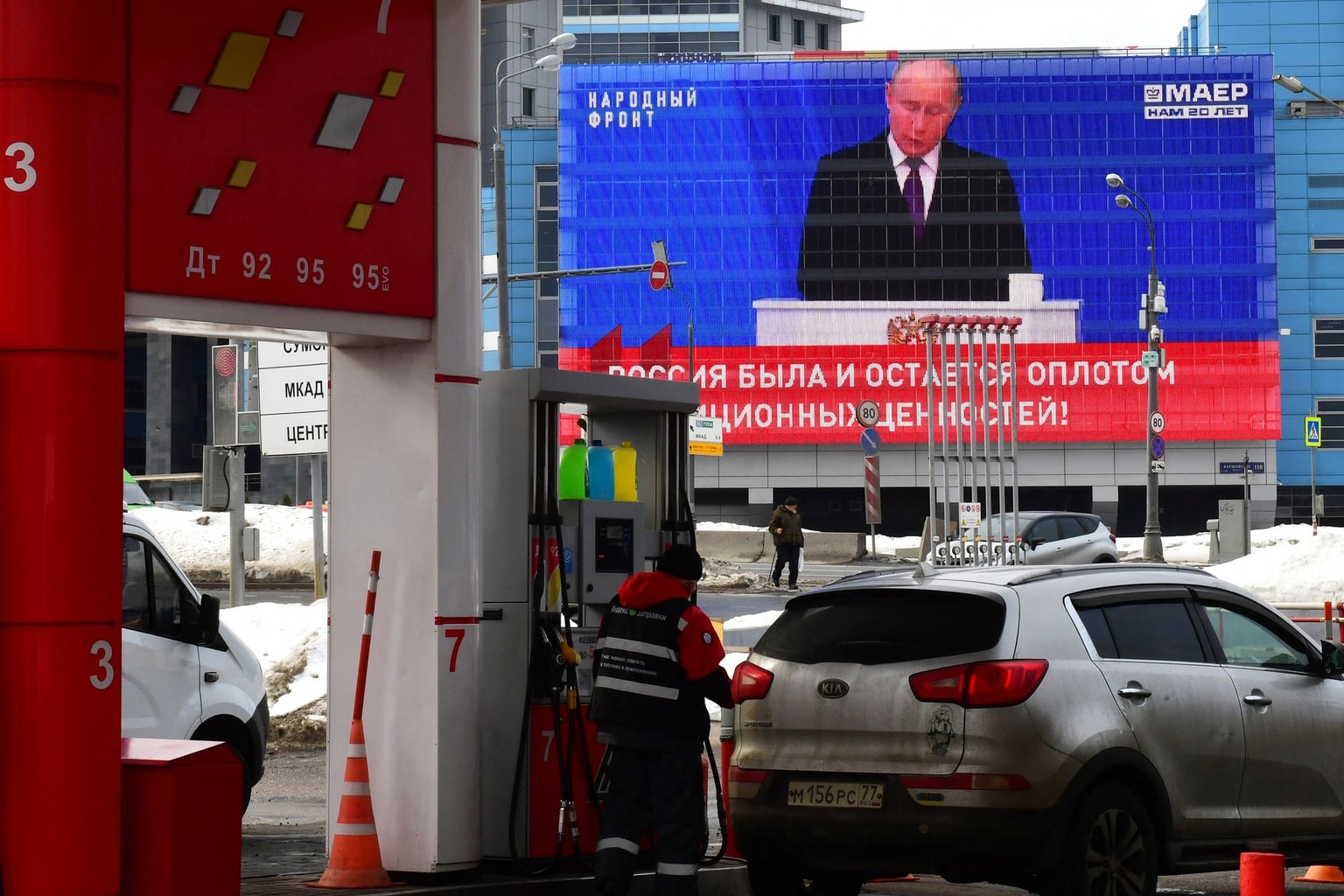
Diesel prices hit $1.64 a liter on March 9, according to Ukrainian fuel market analyst group A-95 Consulting, a 16% climb compared with one month prior. Petrol prices rose by 12% in the same period.
"I’ve been working in this market for 25 years, and I don’t remember prices rising this fast," Serhii Kuyun, director of A-95, told the Kyiv Independent.
Global energy prices have surged in the wake of the U.S.-Israeli air strikes on Iran which killed the country's Supreme Leader, Ayatollah Ali Khamenei, on Feb. 28. Sea traffic through the Strait of Hormuz, a key artery for the world's oil and gas flows, has all but evaporated after Iran retaliated by targeting tankers passing through the strait and striking oil and gas production facilities across the region.
Brent crude, a key global oil price benchmark, punched through $100 a barrel on Monday, with European natural gas prices rising by roughly 30% over fears of global energy shortages.
Retail gas prices in Ukraine have followed, as the private sector prices in the higher benchmarks. While prices have risen more slowly than in several other European countries, the shock comes at a fragile moment for the country, which is emerging from the hardest winter of the full-scale invasion so far.

Diesel and gasoline are key inputs for many Ukrainian businesses, which rely on generators to maintain operations during the daily blackouts caused by Russian strikes.
The country is also at the tail end of a period of rapidly rising prices. Headline inflation peaked at 15.9% in May last year, but steadily declined month on month over the course of last year to 7.4% in January.
Ukraine's central bank said on March 5 that while fuel inflation dropped to 5.7% in January, prices rose rapidly in February — primarily due to increasing European benchmark prices.
The higher prices are already starting to seep into Ukraine's economy, posing a threat to the central bank's target of 5% — with some key sectors already feeling the heat.
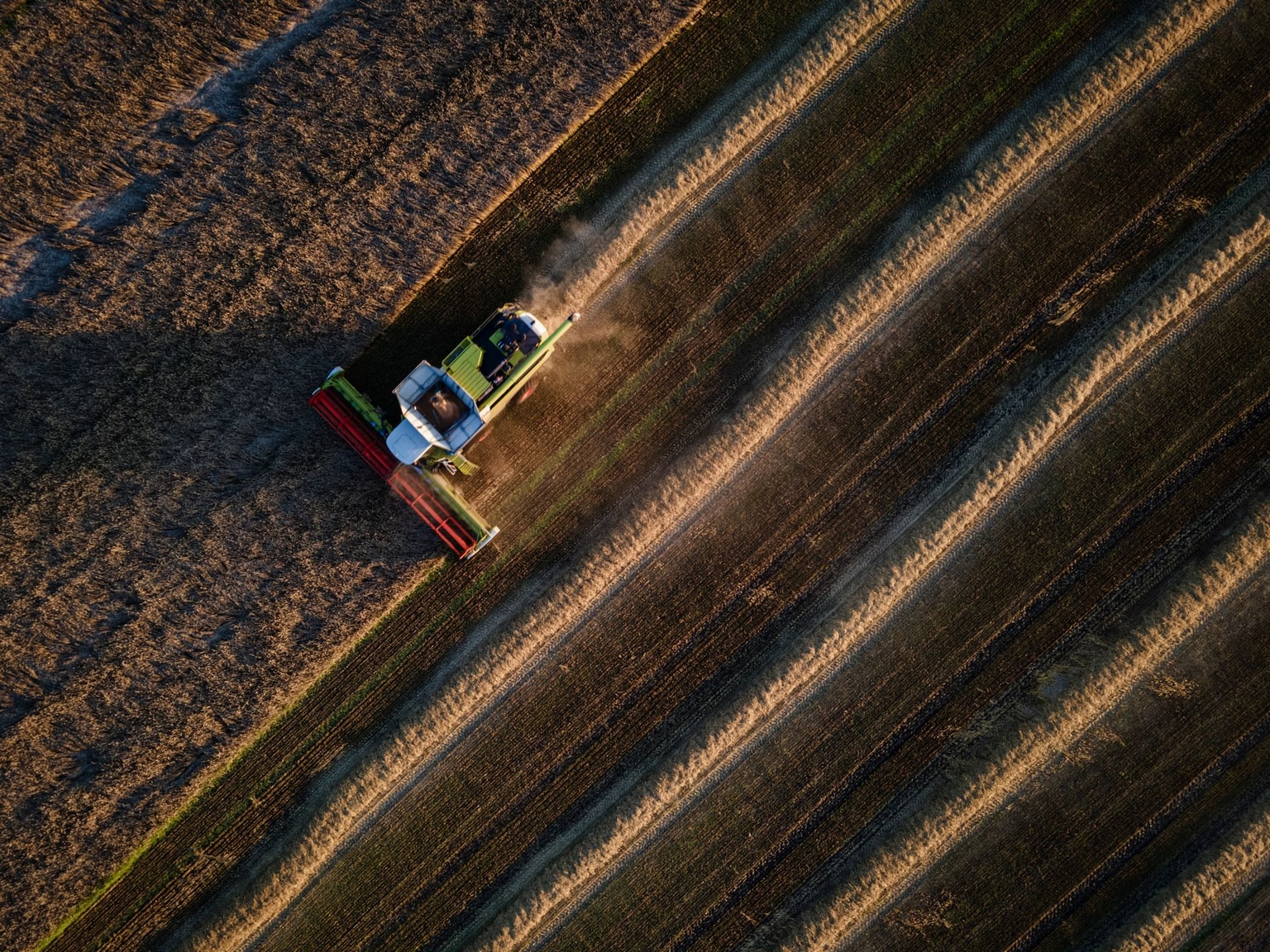
"Since the beginning of the week, the price for sea logistics just increased by $4 per metric ton to $36-38 per ton. This price will be covered by the farmer," Oleh Khomenko, CEO of the Ukrainian Agribusiness Club, told the Kyiv Independent.
Ukraine exports millions of metric tons of agricultural goods by sea each month. The sector contributes 10% of the country’s gross domestic product, and 80% of exports.
"Fuel makes up 15% of the cost of crop production. We’ve calculated that over the last 5-10 days, Ukrainian farmers have to pay an additional Hr 1,000 ($22.75) per hectare,” Khomenko said. The average farm size in Ukraine was 649 hectares in 2024, according to the Germany-based Leibniz Institute of Agricultural Development in Transition Economies.
Talk of price rises has ripped through the country's media ecosystem, with rumors of shortages and long lines at gas pumps. Prime Minister Yulia Svyrydenko commented on the situation on March 6 and March 9, saying that the government was working to ensure supply to critical sectors, including defense, agriculture, and public transport.
"I got scared after reading the news on the internet. It says there are lines and no gasoline," Andriy, a Kyiv taxi driver, told the Kyiv Independent. But there were no lines when he went to the gas station, he said.

The prime minister also said that the government was implementing measures to stabilize the market, including price controls and monitoring of the country's antimonopoly committee to monitor unjustified markups.
If found guilty of price gouging or collusion, the anti-monopoly committee could fine the fuel companies and bring prices back down.
"I don't see any direct so-called apocalyptic fuel shortage right now in the market," says Serhiy Vovk, director of the Center for Transportation Strategies, a consulting firm, who nevertheless warned about upside risks to inflation.
"Fuel accounts for up to 60% of the costs of road transportation. If the prices of fuel continue to go up, the cost of transportation will go up as well. This will have a direct economic impact and increase inflation," he said.
However, with limited domestic refining capabilities, Ukraine is at the mercy of the duration and severity of the surging energy prices.
"For Ukraine right now the main problem is not even the price, but the fact that neighboring countries are starting to block supplies," says Kuyun.
"Poland, Romania, even small Moldova, Hungary, and Slovakia — they are already restricting exports."
Additional reporting by Anastasiia Verzun and Karina El Mansoury.