How Ukraine is 'systematically' destroying Russia's air defenses
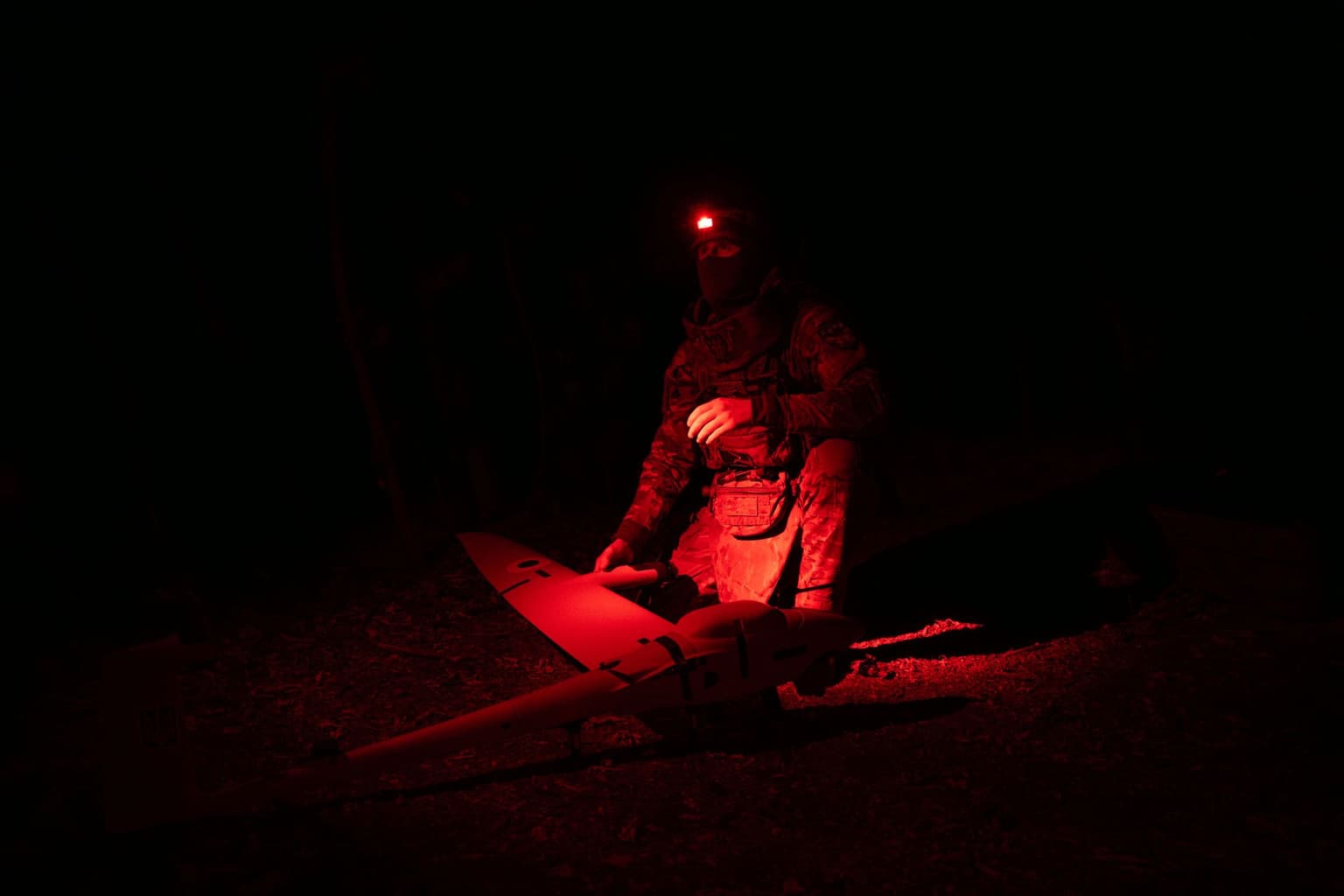
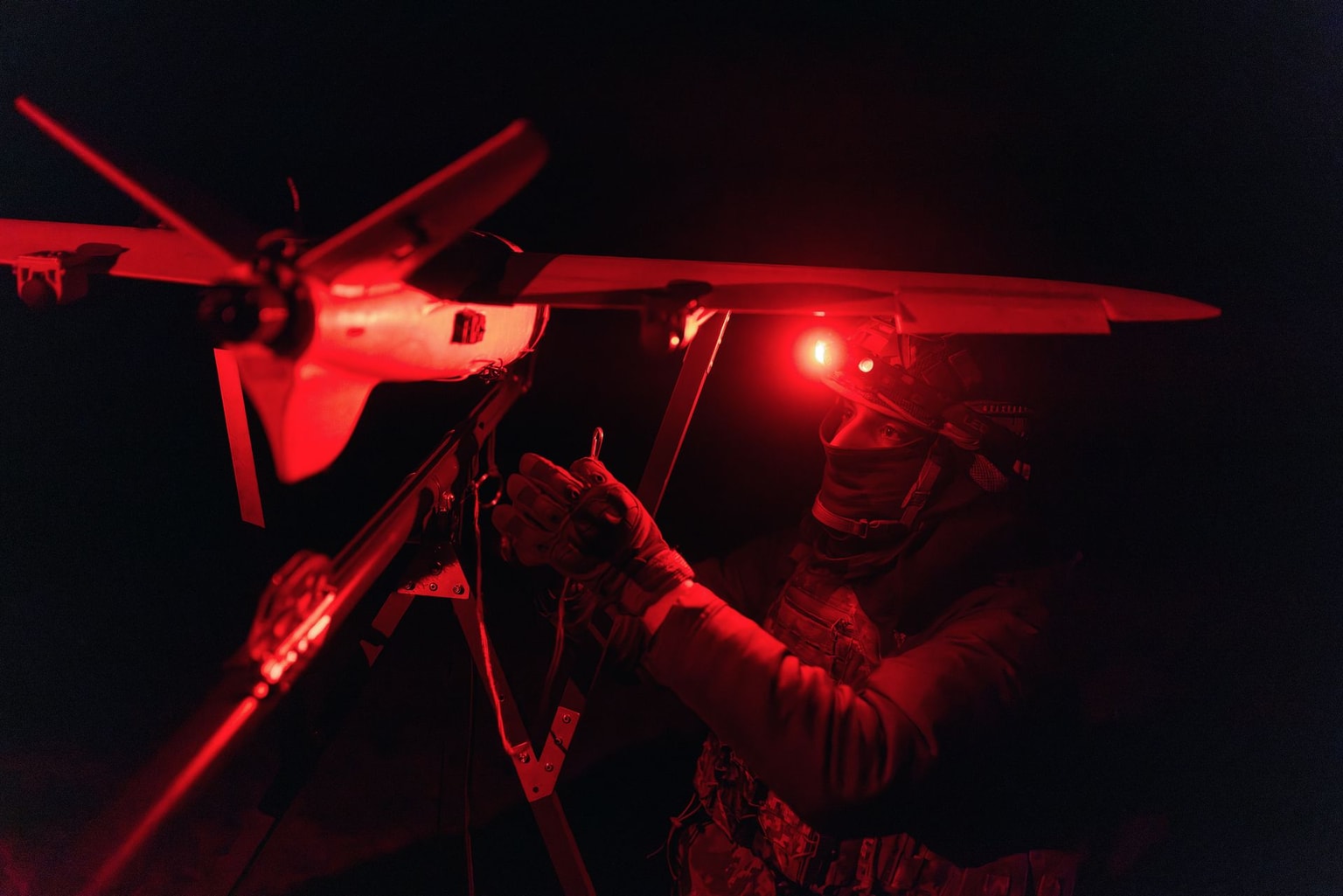
A member of the 1st Special Purpose "Safari" Assault Police Regiment crouches near a "Vector" reconnaissance drone in the Donetsk Oblast, Ukraine, on Sept. 11, 2025. (Ximena Borrazás / Getty Images)
 on Google
Hundreds of kilometers inside Russia, oil refineries burst into flames, and the sky above airfields and weapons factories is filled with thick black smoke.
These scenes, increasingly frequent in videos related by the Ukrainian military over the last several months, are the visible results of an expanding Ukrainian deep-strike campaign. Its objective: hit critical military and industrial infrastructure far inside Russian territory, bringing the war directly onto its soil.
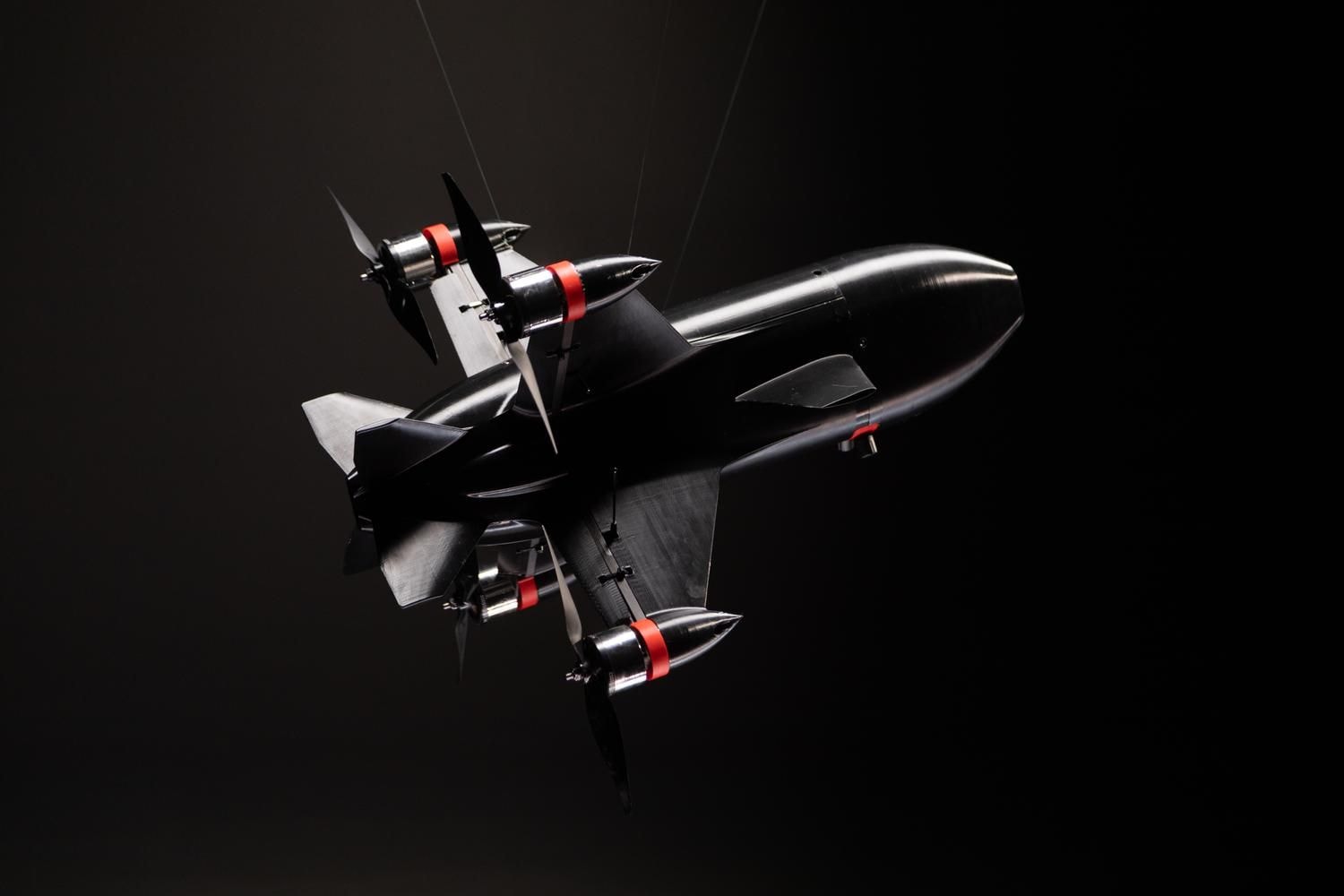
The secret behind these hits lies in other videos showing what came before: grainy black-and-white footage showing Ukraine's unmanned systems striking Russian radars, weapons systems, and command centers. This parallel campaign relies on midrange drones degrading Russia's air defense umbrella by targeting the systems that detect, track, and intercept incoming Ukrainian attacks.
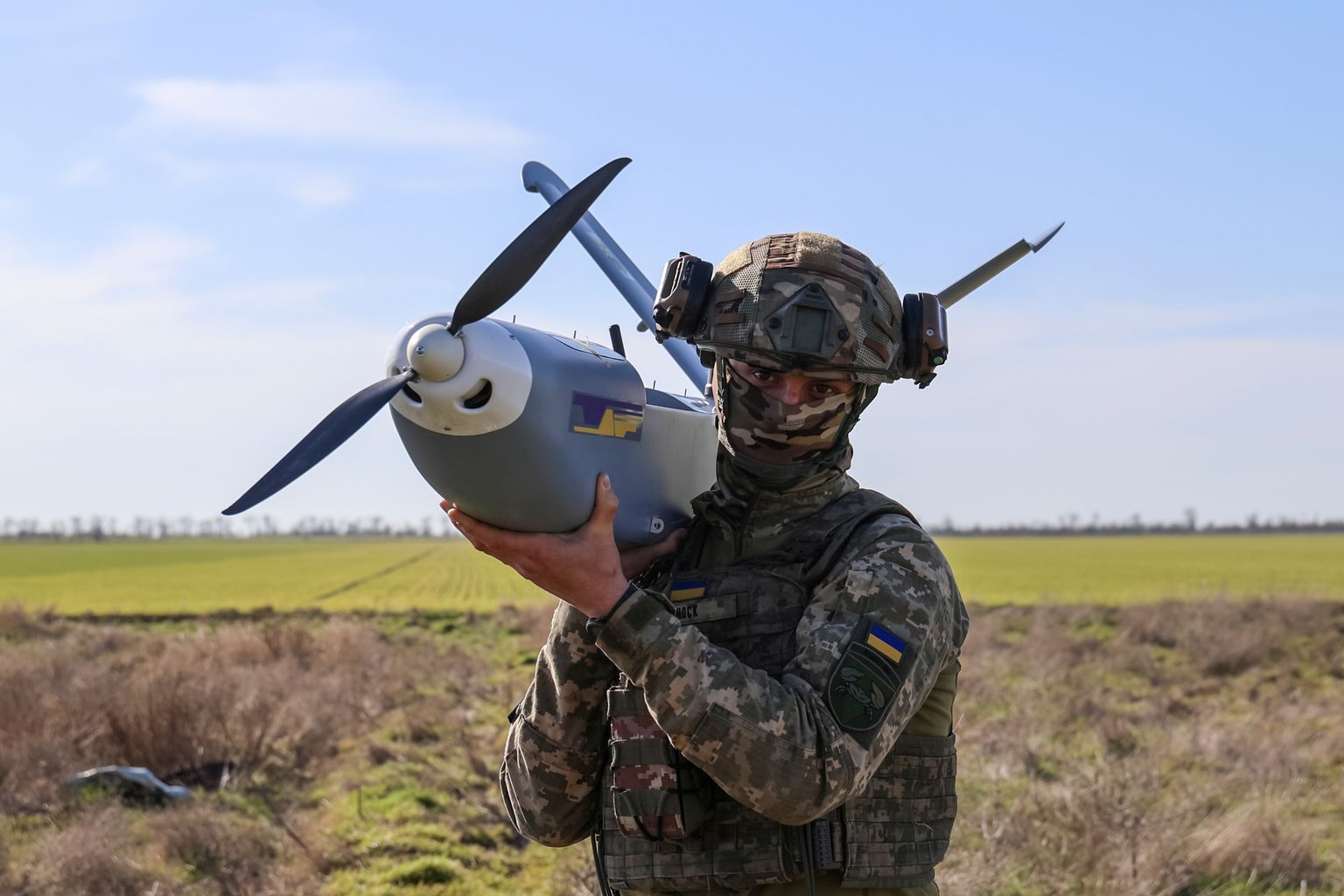
The commander of a heavy fixed-wing battalion in the 413th Regiment of Ukraine's Unmanned Systems Forces, call-sign "Schultz", describes the process as "a global puzzle".
"We gradually chip away at the entire rock and try to exhaust their air defense capabilities in order to expand this kill zone for their production facilities, enterprises, equipment, headquarters, and so on," he told the Kyiv Independent..
A recent analysis by the international open-source intelligence collective Tochnyi lays out the scale and focus of these strikes.
Drawing on a database of more than 1,530 verified attacks across Russia and occupied Ukraine, the analysis identifies over 492 strikes on air-defense infrastructure between June 2025 and early March 2026, alongside hundreds more targeting A2AD (Anti-Access/Area Denial) assets – the wider systems that support air defense, such as electronic warfare, command systems and missile units.
The data shows Ukraine is systematically targeting Russian air defense systems to open gaps in coverage and reach critical infrastructure, like weapons factories, deeper inside its territory.
Inside Russia's air defense web
Deep strikes are critical to achieving Ukraine's goal of imposing higher costs on Russia's war effort. These attacks have a dual effect: they weaken the infrastructure Moscow depends on to support its war, and force it to defend more territory.
But reaching those targets requires passing through Russia's air defense system – a layered and integrated network, stretching thousands of kilometers.
Operated by Russia's Aerospace Forces (VKS), the system links radars, command centers, and missile units into a coordinated structure. Radars act as its eyes, scanning the sky for incoming threats. Command systems serve as the brain, processing that information and assigning targets. Missile batteries across all ranges, positioned around key sites, provide the means of engagement, acting as the system's 'fists' that physically intercept incoming threats.
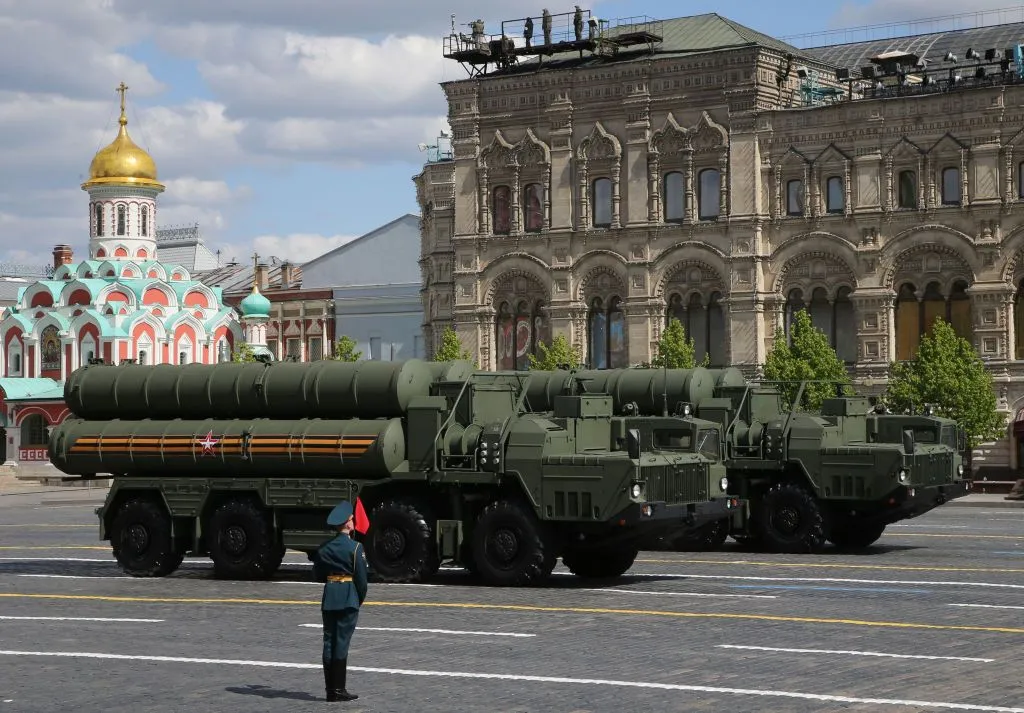
In theory, this architecture is layered. Long-range missile systems like the S-300 and S-400 are intended to detect and engage targets at a distance, while medium-range systems such as Buk and short-range systems such as Tor reinforce coverage closer to key assets, protecting against drones and missiles that get through.
In practice, however, the system's coverage is uneven. It is spread across a vast territory and concentrated around high-value locations, creating gaps in its web. To disrupt the network, Ukrainian forces create and exploit these weak points by targeting key air-defense assets, such as radars and interceptor systems, to carry out deep-strike attacks.
Breaking through the shield
A high concentration of Russian air-defense systems is deployed along the front line and in occupied Ukrainian territories. This line forms the first major barrier Ukrainian strike assets must cross in order to carry out deep-strikes.
It is broken by targeting Russian air defense's "sensor-to-shooter chain" – the process that links detection, tracking, and engagement of incoming threats. These middle strikes' purpose is to poke the eyes, disconnect the brain, and cuff the fists of this integrated network, by destroying radars, command, and interceptor systems.
"As far as I know, my unit and other units approach this comprehensively, systematically," says Schultz.
"In order to work properly, we first need to knock out the radars located closest to the border, suppress anti-aircraft FPV crews, then knock out Tors and Buks at the second level, then suppress larger radars located behind them. And only then can we say that we have created a corridor."

This "corridor" is a temporary route through Russia's air-defense network where detection and interception are degraded enough for Ukrainian missiles to pass. Creating it requires targeting each layer of the system. Along key routes, multiple defensive belts may still be present, and the targets themselves are often protected by their own air-defense coverage, further limiting how many drones or missiles can get through.
Radars are the first critical target in this sequence. Degrading this layer has an immediate operational effect: without reliable detection, missile systems are slower and less effective, even if launchers remain intact.
Medium-range systems such as Buk engage aerial targets at distance, intercepting aircraft, drones, and cruise missiles before they reach key assets. Positioned to cover large areas, Buk systems form the backbone of Russian air defense across occupied Ukrainian territory and southern Russia. With engagement ranges of up to 70 kilometers (43 miles), depending on the variant, each destroyed system creates a gap that adjacent units cannot fully cover, progressively fragmenting Russia's defensive umbrella.
According to Schultz, in some areas Russian forces are replacing the modern Buk systems with the older Kub systems, indicating a growing strain on their air defence resources and the effectiveness of Ukrainian operations.
Short-range missile systems such as Tor operate at a different level. Assigned to divisions and regiments closer to the front line, they are designed for shorter engagements against drones, cruise missiles, and, in some cases, ballistic threats. Unlike Buk, which provides broad-area coverage, Tor systems have an engagement range of 16 kilometers (10 miles) and are used to protect troops and key equipment. Each Tor destroyed reduces the likelihood of interception, making subsequent strikes progressively easier to execute.

Similarly, systems such as Pantsir, Tunguska, Strela, and man-portable air-defense systems (MANPADS) provide both point defense and close-in protection for high-value assets – particularly S-300 and S-400 batteries and radar installations – from low-altitude threats. Removing these systems directly exposes high-value targets and reduces the risk for incoming Ukrainian drones and missiles.
The cumulative effect of destroying these systems is visible in the data published by Tochnyi. Ukraine has struck every layer of Russia's air-defense architecture, with radar systems accounting for the most confirmed hits, followed by medium- and long-range air defense assets.

Taken together, these strikes form a continuous process of degradation. Each destroyed radar, launcher, or interceptor does not collapse the system on its own, but incrementally reduces its integration and effectiveness. This allows for corridors to emerge, enabling Ukrainian long-range drones and missiles to penetrate deeper into Russian territory and reach critical targets, such as military logistics hubs, oil refineries, and weapons factories.
The challenges
Despite steady progress in degrading Russian air defense, Ukrainian forces still face important challenges in sustaining deep strike operations.
"To truly create a 'free road' into the enemy's rear, we still have a long way to go. Systems like Pantsir and Tor are still present in sufficient numbers," says Schultz. "Russia is large, they cannot cover everything, but they still shoot down a significant number of assets using both mobile fire groups and standard systems."
In parts of occupied Zaporizhzhia and Kherson oblasts, Ukrainian strikes have significantly degraded Russian air defenses, easing operations toward Crimea.
But these tactical gains should be viewed with a grain of salt: "Crimea itself remains a militarized fortress," Schultz adds.
Expanding these operations depends on a mix of strike capabilities. "We need both missiles and UAVs of various classes, payloads, and ranges. There is no 'bad' system–if it works, it has its use," Schultz says.
Another constraint lies in the human factor: crews need to build experience in short and medium-range operations before engaging in longer-range ones. Building that expertise takes time and resources.

"From experience, my guys first flew FPV drones at tactical depth for a long time. The best crews then earn the right to operate more expensive systems at greater depth," Schultz says.
"To train an effective crew for this class of systems, we need to give them at least 20 strike platforms. Only after about the 20th successful strike does a crew become an effective hunter," he adds.
For Schultz, another key challenge is the underdevelopment of mid-range strike capabilities. He argues that this segment remains underfunded by the state, limiting Ukraine's ability to extend the same advantages it has achieved in occupied territories deeper into Russian territory. Expanding it, he says, is ultimately a question of prioritization.
"This requires more openness from partners on technology, and the state should not hesitate to fund [strike] systems costing around $30-40,000 per unit, because in capable hands, they can destroy assets many times more expensive."
In comparison, a single Tor system is valued at $25 to $30 million per combat vehicle, and Buk systems are approximately $25 to 45 million, depending on the variant.
"To break the system and increase effectiveness, this area must remain at the forefront of public and state attention, with proper funding and production," he says.