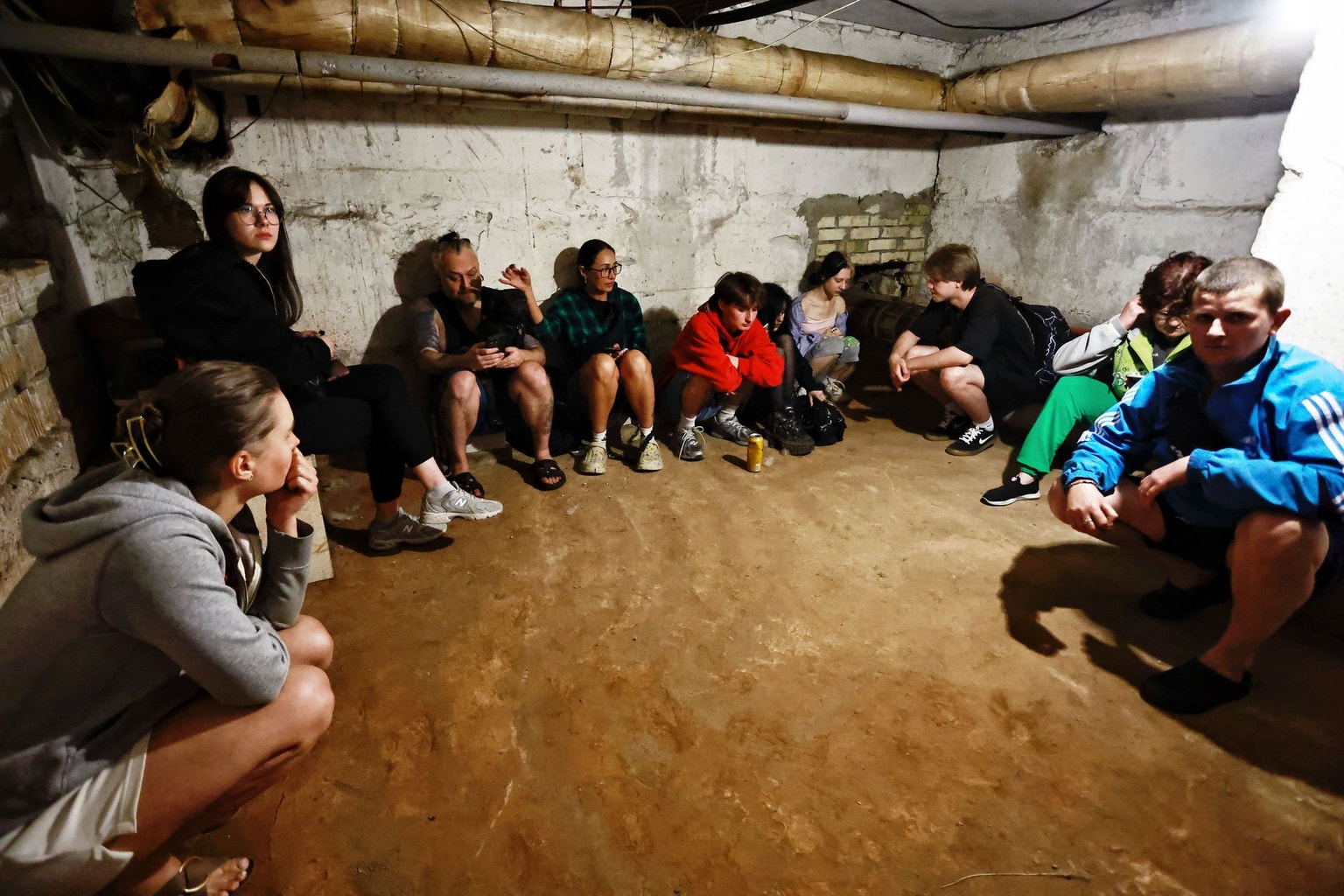
crimea: the war before the war

watch part 2 now
Author
Anna Borshchevskaya photo

Anna Borshchevskaya

Anna Borshchevskaya is a senior fellow at the Washington Institute for Near East Policy. Borshchevskaya is the author of "Putin's War in Syria: Russian Foreign Policy and the Price of America's Absence."

Articles

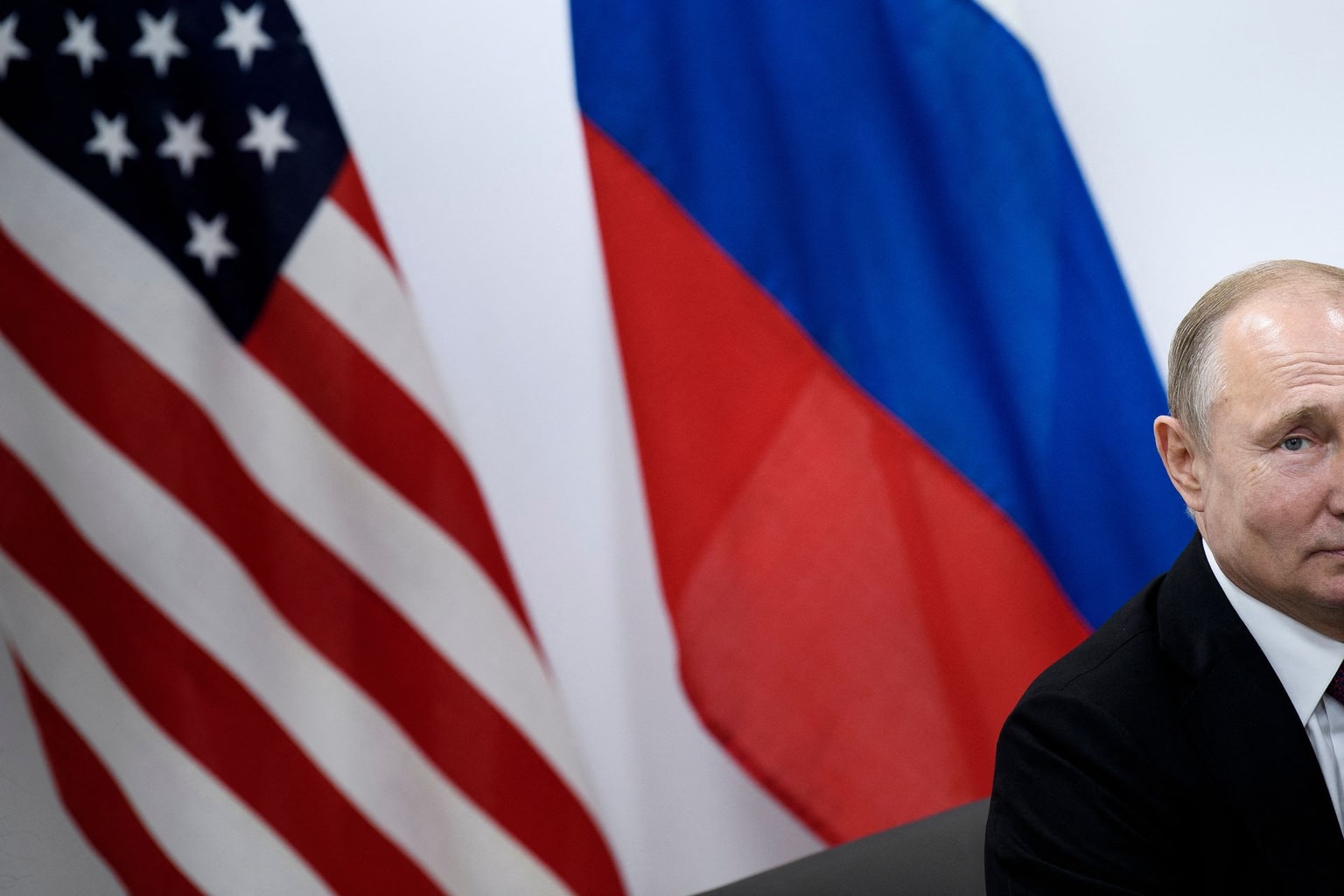
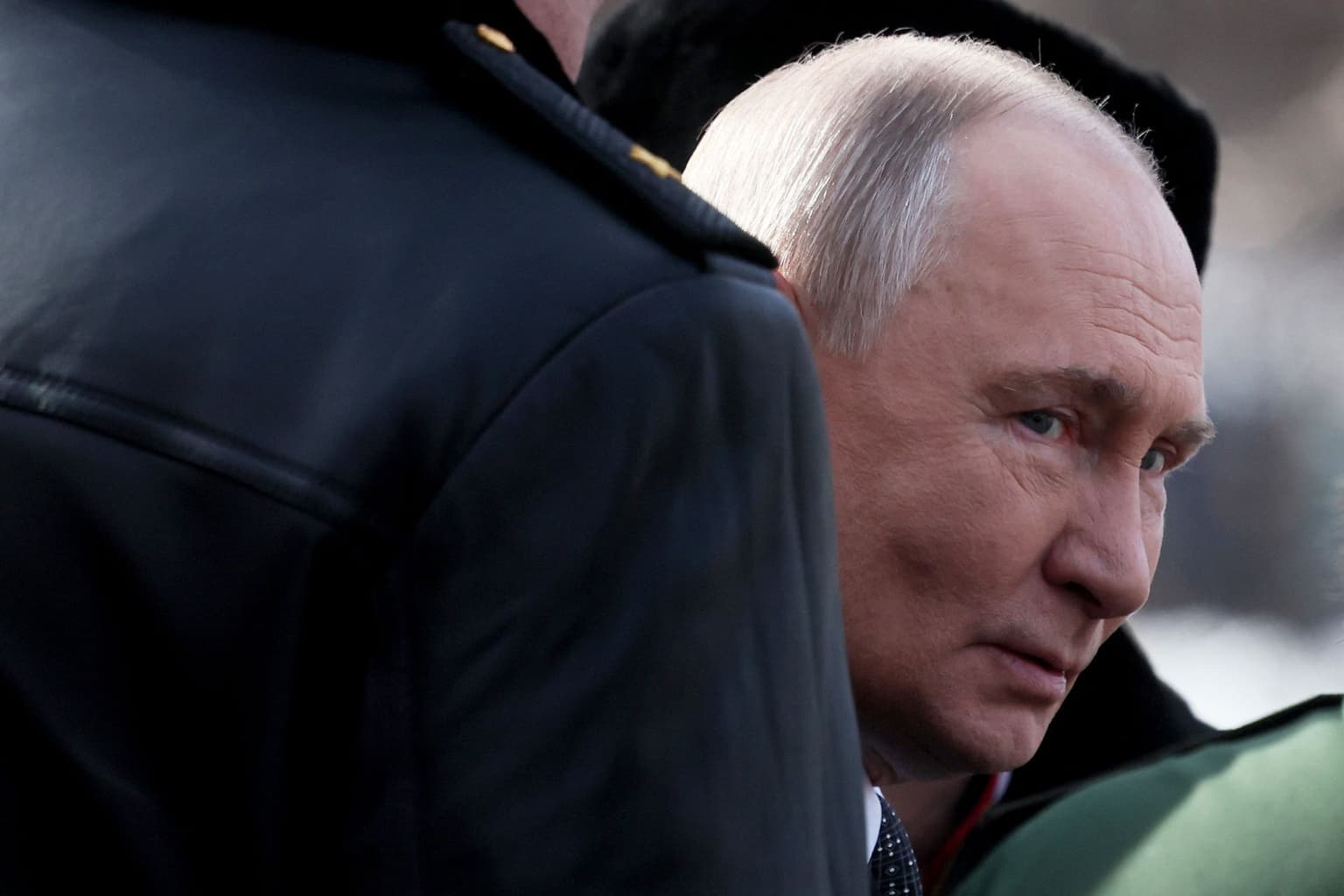
Russia’s President Vladimir Putin in Moscow, on Feb. 23, 2026.

In the Middle East, chaos is Putin's new ally

by Anna Borshchevskaya
If anyone was worried that Russia was going to intervene on behalf of its ally Iran in the new Middle East conflict, they need not be. Vladimir Putin's response to the massive U.S.-Israeli campaign against Iran — and even the Israeli strike that killed Ayatollah Ali Khamenei, Iran's longtime Supreme Leader — was at best bland. He called the U.S. and Israeli strikes "cynical" and murderous, but issued neither threats, nor red lines, nor commitments to help Iran. To understand Putin's restraint,
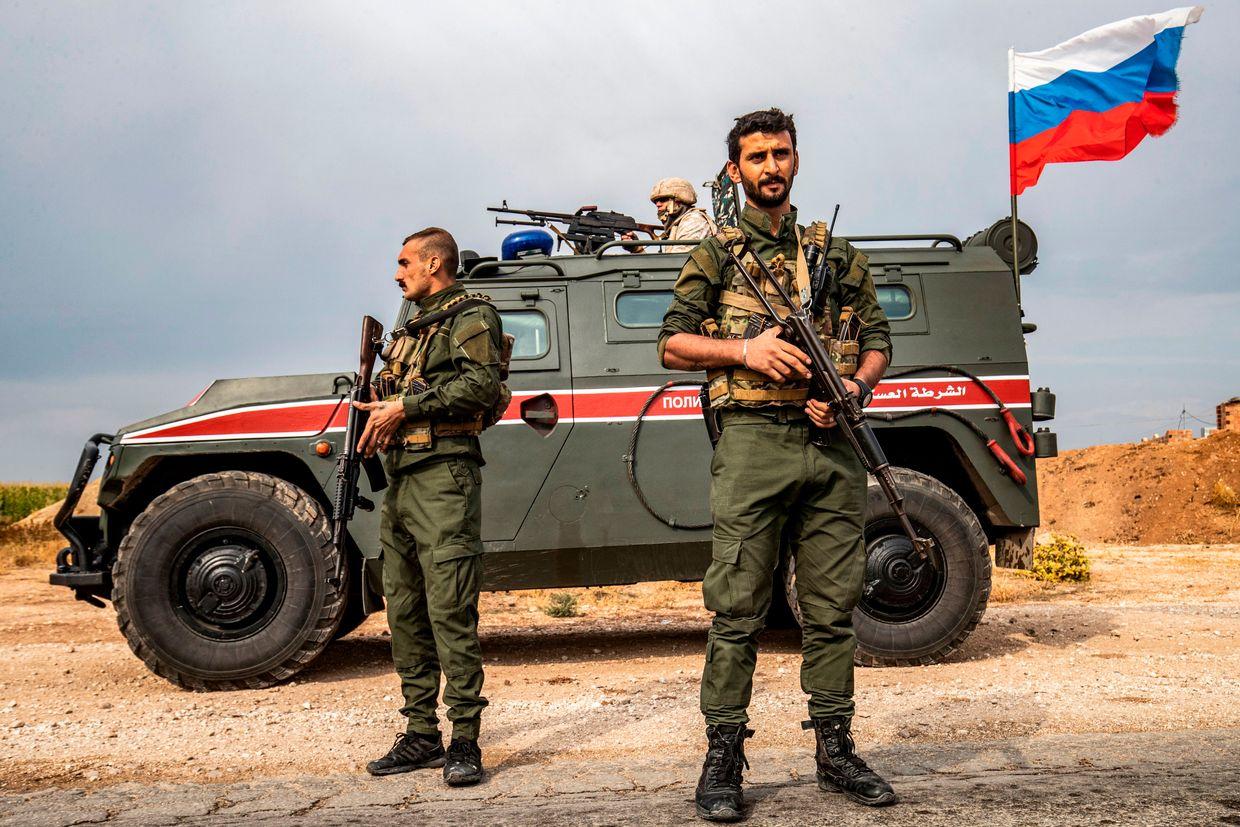
Syrian Kurdish Asayish forces stand before a Russian military police vehicle near Darbasiyah, Syria, on Oct. 25, 2019.

Ukraine can help dismantle Russia’s influence in the Middle East

by Anna Borshchevskaya
The fall of Syrian dictator Bashar al-Assad has dealt a significant blow to Russia’s ambitions in the Middle East. Yet Russia still retains influence across the region through trade, diplomacy, and military ties. Even now, Moscow maintains a presence in Syria, making it imperative for the West to capitalize on Russia’s setback there and work to reduce its influence across the region. One way to achieve this is by supporting Ukraine’s efforts to build stronger ties in the Middle East. First, Ukr