As temperatures plunge, Kyiv braces for Russia's next mass attack on energy infrastructure
 on Google


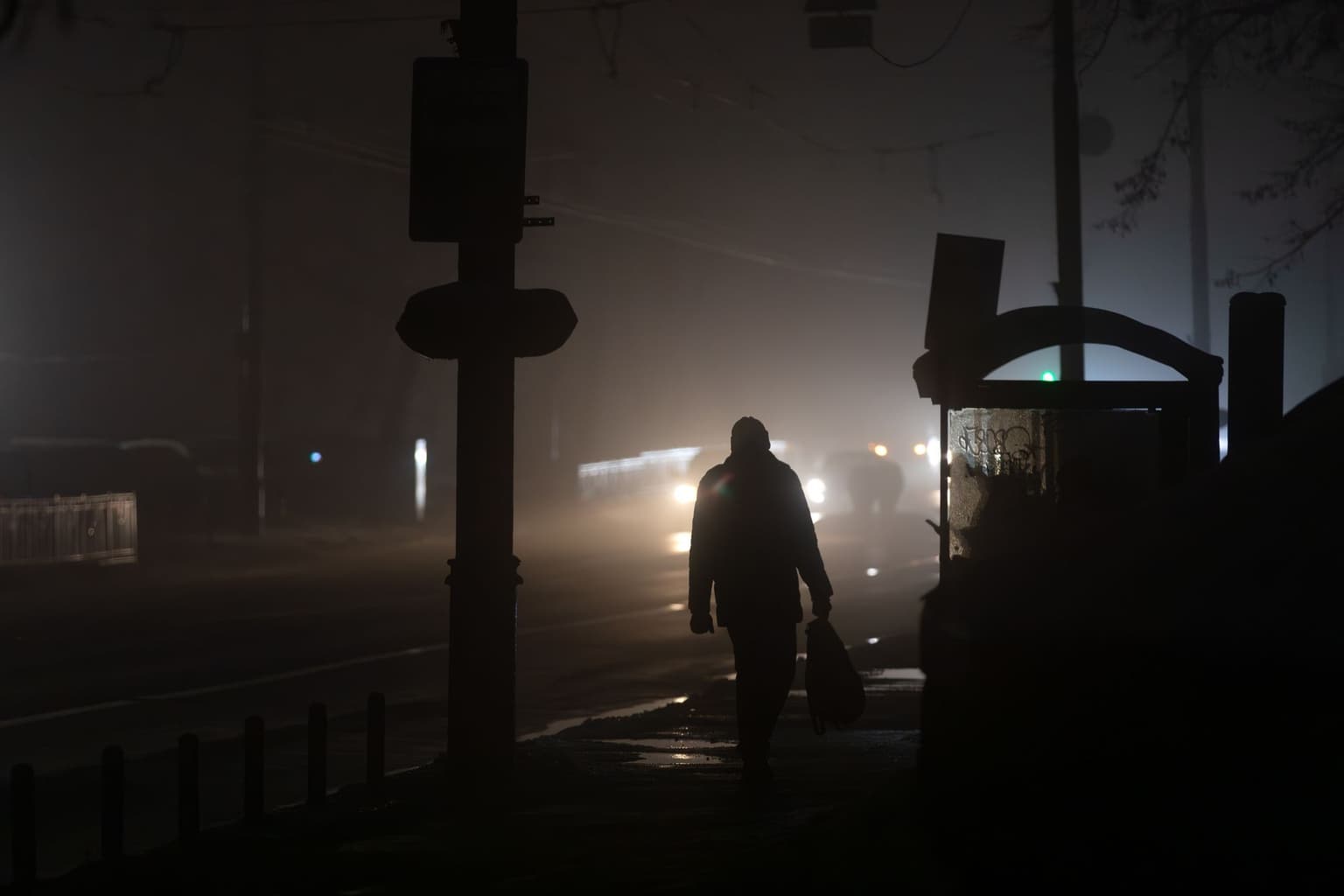
After a brief lull, Kyiv is bracing for fresh mass Russian aerial attacks as a bitter cold snap drives temperatures below -20°C (-4°F).
Russian forces last launched a mass strike against Kyiv overnight on Jan. 24, damaging both civilian and critical infrastructure. For the past week, the capital has been relatively quiet, giving authorities a brief window to restore power and repair damage.
The lull in strikes appears linked to an alleged truce on attacks targeting Ukrainian energy infrastructure.
U.S. President Donald Trump said on Jan. 29 that he personally asked Russian President Vladimir Putin to refrain from attacking Kyiv and other Ukrainian cities for a week. The Kremlin confirmed it would pause strikes on energy facilities, but only until Feb. 1.
"They do not keep to their agreements," Viktoriia Leshchenko, a local resident, told the Kyiv Independent as she attended one of the many help points established in Kyiv in recent weeks where people can warm up, get some hot food, and charge their phones.
"Yesterday (on Feb. 1), there was an air alarm and the Shahed (attack drones) were already flying over Kyiv Oblast," she added.
Despite the supposed truce, Russia continued launching deadly attacks on Ukrainian cities, causing civilian casualties, and President Volodymyr Zelensky also warned that Ukrainian intelligence had identified Russian forces preparing for another mass strike.
"This war is a crime against Ukrainians. They are trying to kill us with hunger and cold," Leshchenko added.

Ukrainian monitoring groups reported on Feb. 2 that Russia had intensified active strikes using Shahed-type drones across the Cherkasy, Sumy, Zaporizhzhia, Kirovohrad, Dnipropetrovsk, and Poltava oblasts.
Meanwhile, some monitoring channels with hundreds of thousands of subscribers reported the redeployment of Russian strategic aviation, including Tu-95MS bombers. These developments could increase the risk of missile strikes in the coming days, analysts say.
"Given the redeployment of Tu-95 bombers from Russia’s Far East to the Engels, Olenya, and Dyagilevo airbases overnight on Feb. 2, the likelihood of missile attacks in the coming week has increased," Nazarii Barchuk, an analyst at the Ukrainian Center for Security and Cooperation, told the Kyiv Independent on Feb. 2.
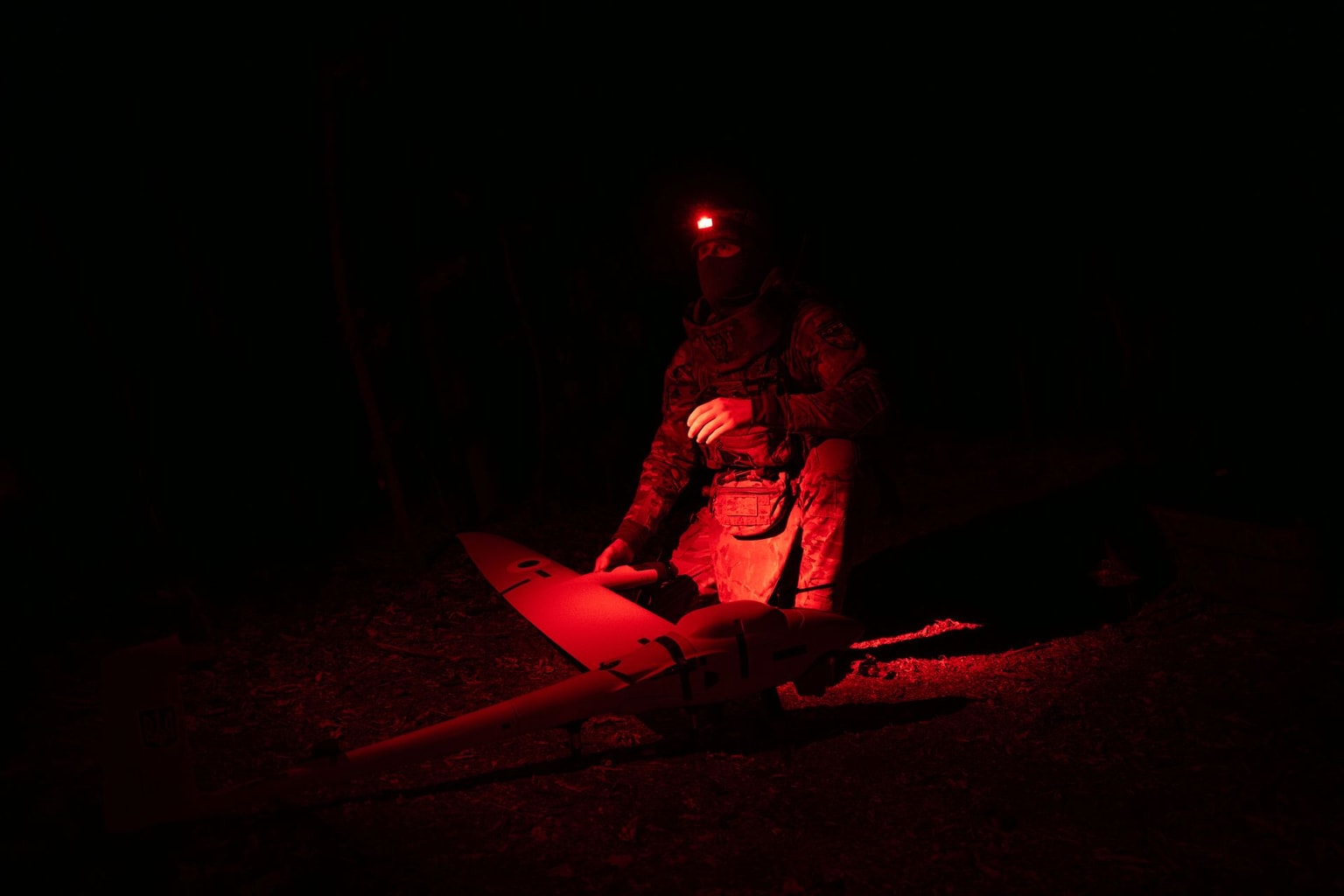
At the same time, extreme winter conditions pose challenges not only for Ukraine's energy system but also for Russia's use of drones.
"Cold weather also causes technical problems for Shahed-type drones. Icing and freezing electronics force them to fly lower, which makes them more vulnerable to Ukrainian air defense," Barchuk said.
Zelensky said on Feb. 2 that Russia continued to carry out strikes over the past day, though without conducting focused missile or Shahed drone attacks on Ukraine's energy system, though the effects of previous strikes are still keenly felt.
Ukrenergo said that as of the morning of Feb. 2, consumers remained without electricity in Sumy, Kharkiv, Dnipropetrovsk, and Cherkasy oblasts due to damage from previous attacks on energy facilities.
Those outages are part of the broader toll Russia's strikes have taken on Ukraine's energy system. Thousands of Ukrainians were left without electricity, heating, or water following strikes in mid- and late January.
Kyiv, one of the hardest-hit cities, has seen hundreds of buildings remain without heating for nearly three weeks. As of Feb. 2, around 244 residential buildings in the capital remain without heating, according to Mayor Vitali Klitschko.
Compounding the crisis, a Jan. 31 accident in the Ukrainian power system further disrupted electricity supply in several regions, forcing the shutdown of the metro in both Kyiv and Kharkiv — more than 450 kilometers (280 miles) apart.
Energy Minister Denys Shmyhal said the Jan. 31 accident was a "cascade shutdown" in the power grid.
The outage was linked to disruptions in transmission lines between Romania and Moldova, as well as between western and central Ukraine. Nuclear power plants were operating at reduced capacity following the accident.
Denys Sakva, an energy sector analyst at Ukrainian investment firm Dragon Capital, said extreme cold significantly complicates an already critical situation on several levels.
"Power demand increases, putting additional strain on equipment that is already damaged or overloaded, which in turn leads to new breakdowns and failures," Sakva said.
Severe weather can also directly damage infrastructure, such as snow accumulation causing power lines to snap or trees falling onto lines, while repairs become more physically demanding for workers operating in extreme cold, he added.
"So the already complex and hard-to-manage situation becomes even more desperate," Sakva said, noting that energy workers are under constant stress from long hours, repeated attacks, and the risks of working near front-line areas.