Putin says Russia never attacked Ukraine, outlines conditions for war with Europe
 on Google
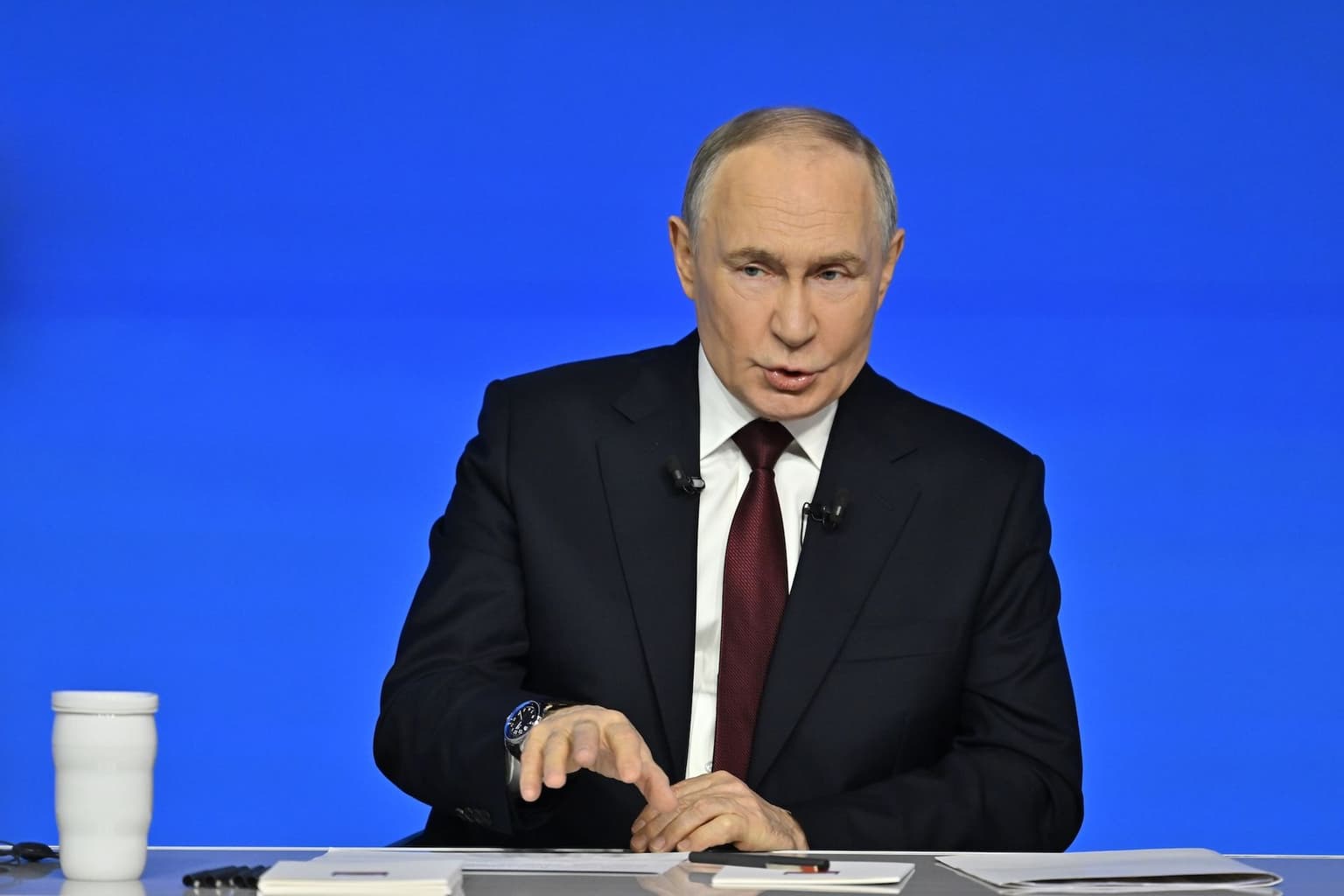
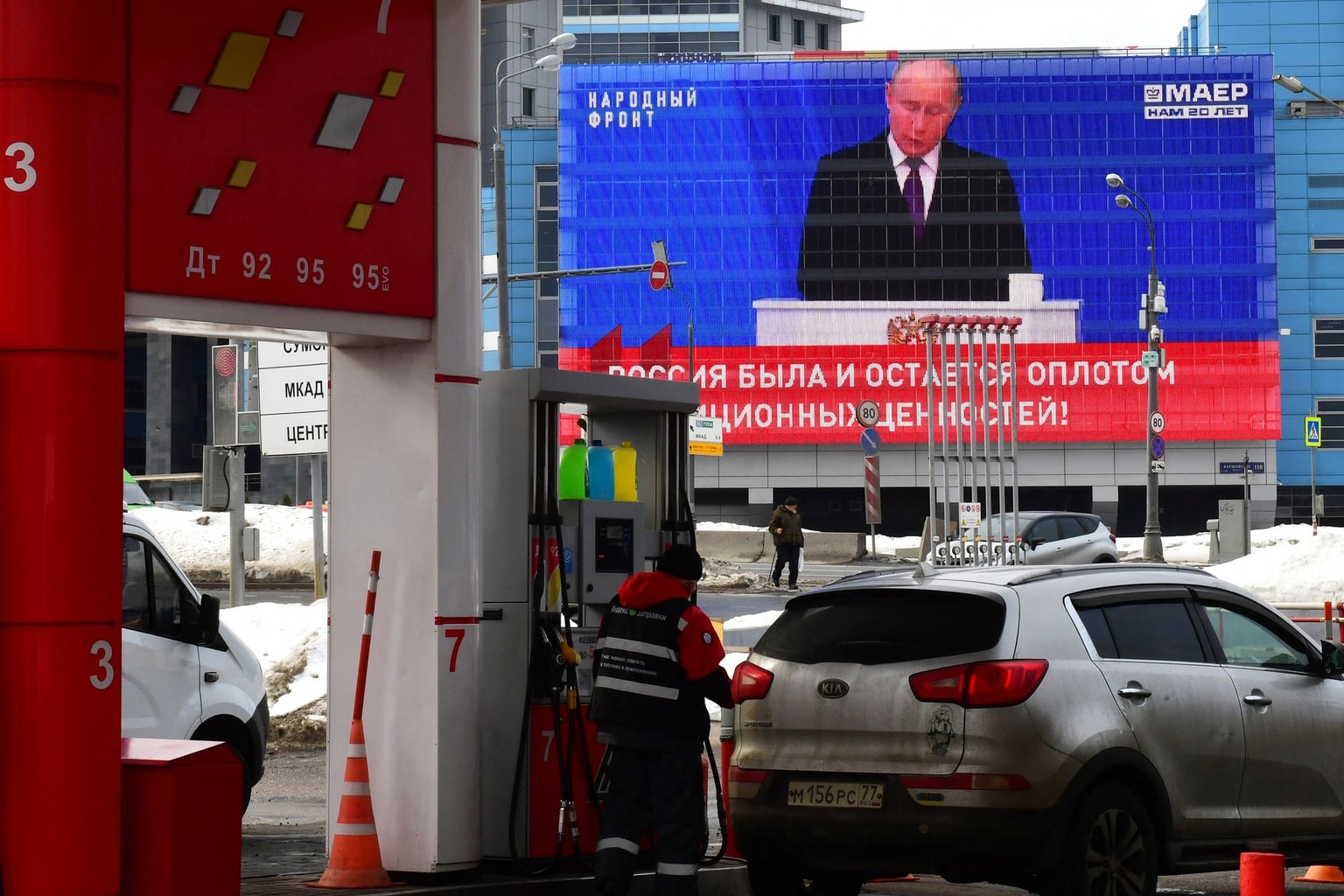
Russian President Vladimir Putin used his annual end-of-year press conference on Dec. 19 to reaffirm the Kremlin's maximalist demands for ending Russia's war in Ukraine, rejecting territorial compromise while repeating false claims about the invasion.
Opening the tightly choreographed event, Putin said Moscow remains willing to engage in peace talks only on the terms he first outlined last year, insisting that Ukraine has shown no readiness to discuss territory.
"We are ready and willing to end this conflict by peaceful means based on the principles I outlined last June," Putin said, adding that Russia does not see Ukraine's "readiness" to discuss territorial issues.
The remarks reinforced Moscow's long-standing position, even as international pressure grows to explore diplomatic paths to ending the war. Kyiv has repeatedly rejected the Kremlin's conditions as unacceptable and incompatible with Ukraine's sovereignty.
Kremlin doubles down on territorial demands
Putin referred to demands he first publicly outlined in 2024, when he conditioned any ceasefire on the complete withdrawal of Ukrainian forces from four regions Russia claims to have annexed, despite not fully controlling any of them except most of Luhansk Oblast.
Moscow now focuses particular pressure on eastern Ukraine, demanding that Kyiv pull its troops out of the Donbas, including parts of Donetsk and Luhansk oblasts that Russian forces have failed to capture over more than a decade of war.

At the same time, Putin claimed to detect signs that Kyiv may be open to dialogue.
"Nevertheless, we see, feel, and know about certain signals, including from (Ukraine), that they are ready to engage in some kind of dialogue," the Russian president said.
Unverified battlefield claims
Putin also asserted that Russian forces are advancing along the entire front line, repeating a series of battlefield claims that could not be independently verified.
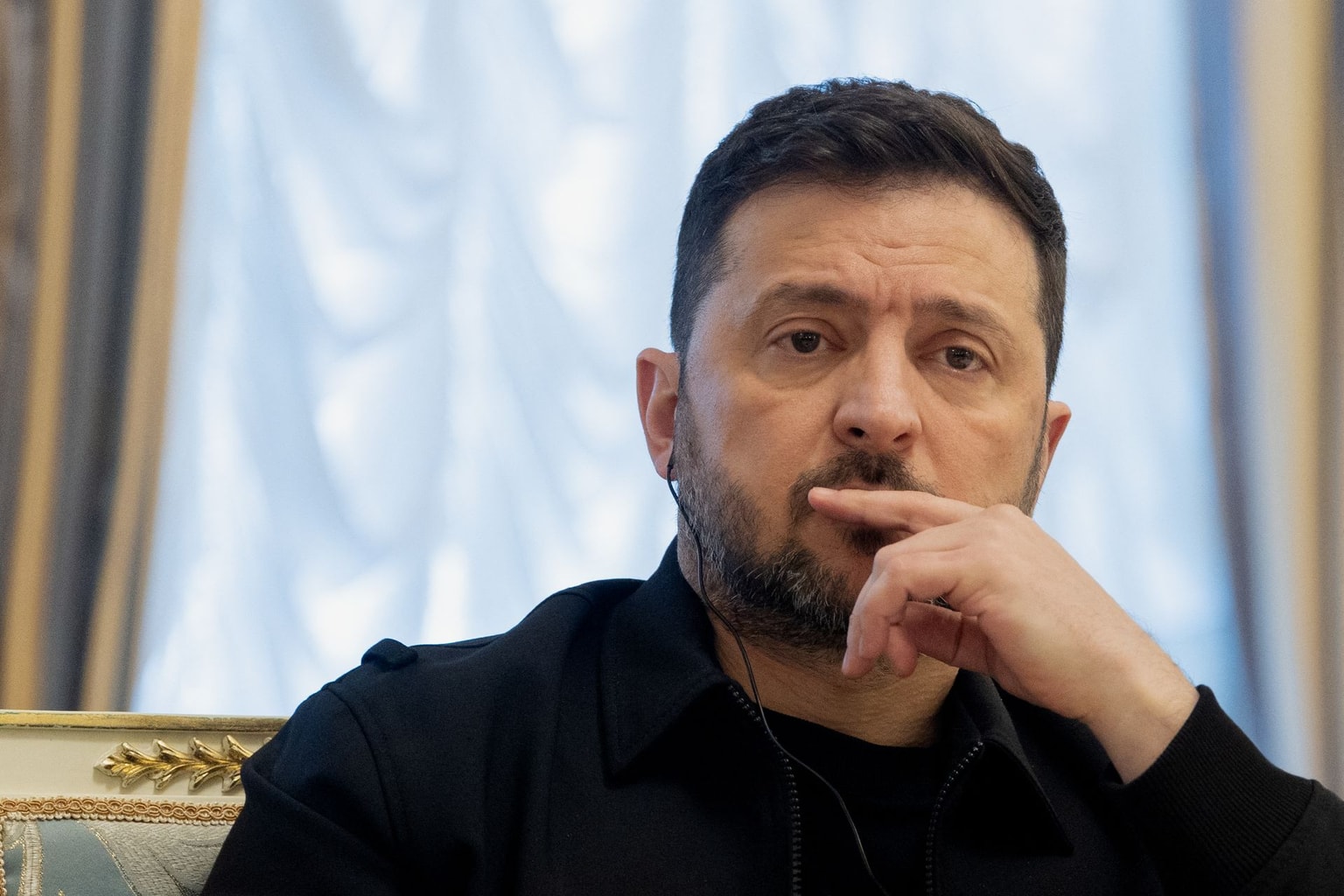
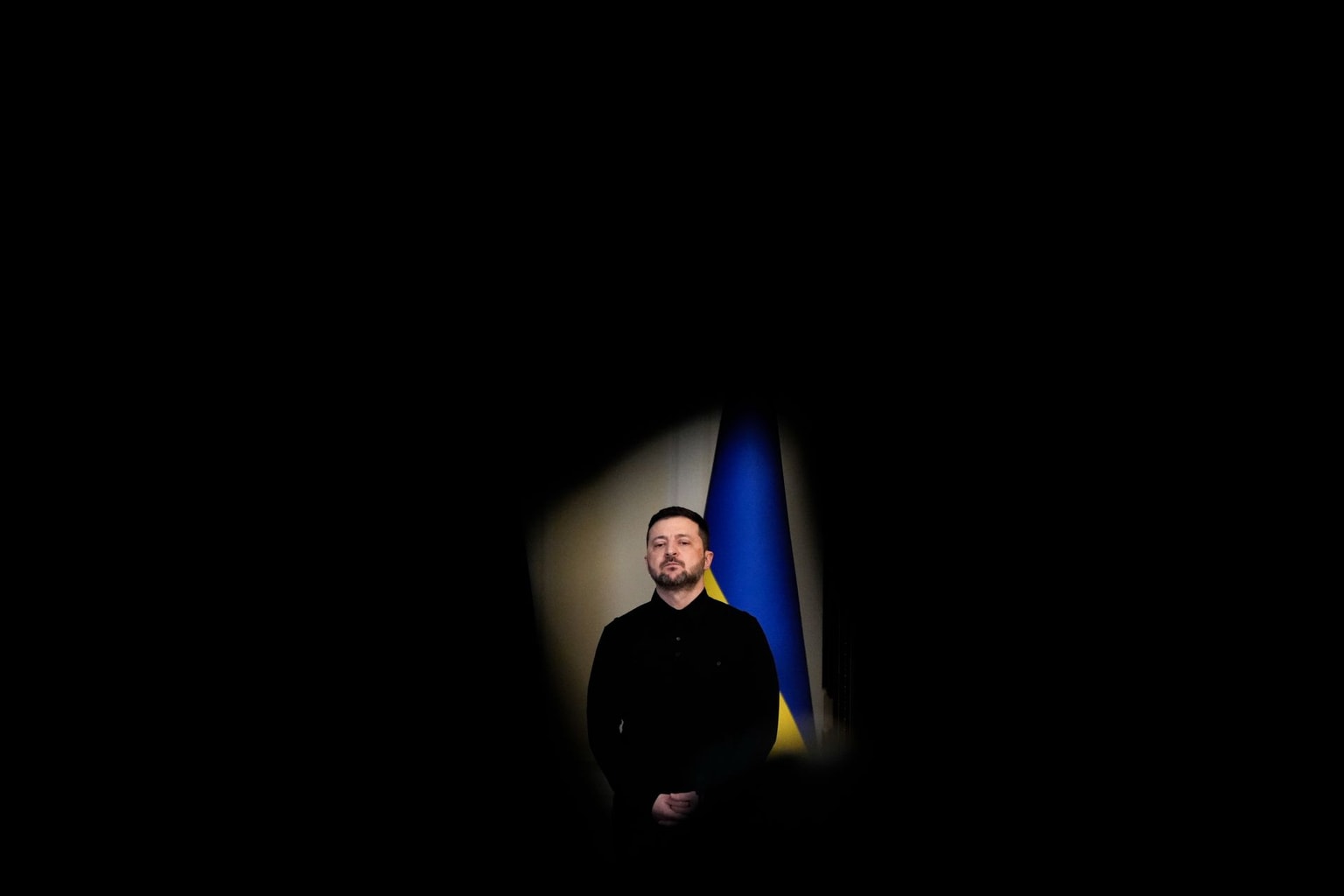
He again alleged that Russian troops have fully occupied Kupiansk, a strategically important city in Kharkiv Oblast that President Volodymyr Zelensky recently visited.
Dismissing Zelensky's appearance in the city, Putin said he paid no attention to it, referring to the Ukrainian leader as "an artist," and insisted Kupiansk was under Russian control.
"I am confident that by the end of this year, we will witness further successes by our soldiers on the front lines," he added.
Putin also claimed that 700,000 Russian troops are currently deployed in Ukraine, a figure roughly in line with Ukrainian estimates of Russian forces near the front.
Elections and security guarantees
The Russian leader also raised the prospect of Russia "ensuring security" for Ukrainian voters in the event elections are held during the full-scale war.
"We are prepared to consider ensuring security during the elections in Ukraine," he said. "At the very least, we will refrain from striking deep into the territory on election day."
Earlier, Zelensky had said Ukraine could hold elections during the full-scale war if U.S. and European partners help guarantee security.
Putin added, however, that Russia would demand Ukrainians living in Russia be allowed to vote on Russian territory, a condition Ukraine is unlikely to accept.

Economy, war responsibility, and denial
Turning to Russia's economy, Putin acknowledged slowing growth but framed it as a deliberate policy choice.
"These are deliberate actions on the part of the government and the Central Bank related to inflation targeting," Putin said. "The slowdown in economic growth is a conscious step, a price to pay for maintaining the quality of the economy."
Russia's GDP is expected to grow by 1% this year, four times less than a year earlier.
When addressing responsibility for the invasion, Putin again falsely claimed that Russia did not start the war and that he bears no responsibility for the deaths it has caused.
"We do not consider ourselves responsible for the deaths of people because we did not start this war," he said, falsely accusing Ukraine of lacking readiness for peace.
The claim contradicts overwhelming evidence that Russia launched a full-scale invasion of Ukraine in February 2022, killing tens of thousands of civilians and displacing millions.
Putin also issued a warning that appeared to outline a potential trigger for a war with Europe, threatening "large-scale armed conflict" if Kaliningrad were to be blockaded.
"Actions of this kind will simply lead to an unprecedented escalation of the conflict, taking it to a completely different level," the Russian president said.
A controlled spectacle
The press conference remains one of the Kremlin's most tightly managed political spectacles.
Putin has held the event almost every year of his rule, with notable exceptions — most prominently in 2022, when it was canceled following Russia's full-scale war.
The format combines a press conference with a call-in show, featuring questions purportedly submitted by Russian citizens.
While topics often focus on social policy, infrastructure, and complaints about officials, questions related to the war have increasingly featured as the invasion drags on.