'Everyone's in shock' — Ground Forces reorganization leaves International Legion soldiers in limbo
Foreign volunteers in Ukraine’s International Legion say an overhaul that folds its combat battalions into assault regiments has left them in limbo, with little official guidance on where they will go or what jobs they will do.
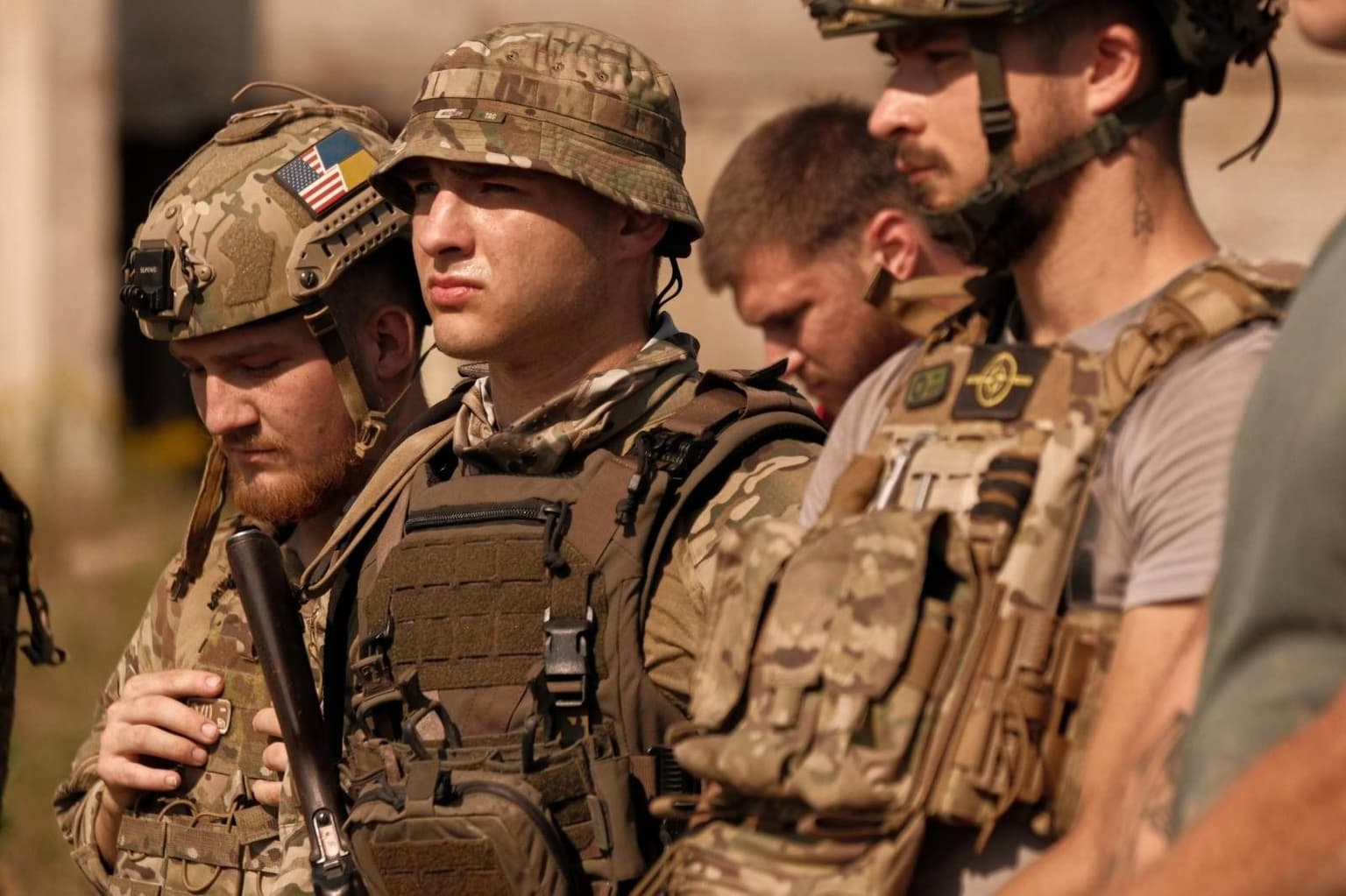
Legionnaires of the 3rd Assault Brigade undergo Tactical Combat Casualty Care training in an undisclosed location in a photo posted on Aug. 18, 2023. (International Legion for the Defense of Ukraine / Facebook)
 on Google
Foreign fighters in Ukraine's International Legion say they have been left in limbo and face growing uncertainty due to an overhaul of how the unit is structured, which they have described as its effective destruction.
The move, implemented by Ukraine's Ground Forces and first reported by the Kyiv Independent in November 2025, is ending the International Legion as a standalone unit, transferring its combat battalions into assault regiments.
But despite being told the changes would take effect by the end of 2025, many legionnaires are still in the dark about what their fighting futures hold.
An officer from the Legion, who spoke to the Kyiv Independent on condition of anonymity, said his battalion's command has been making last-ditch efforts to convince the higher-ups that the shift is a mistake, in order to preserve the Legion's "nitty-gritty" system, which knows how to deal with foreign volunteers and lead them into battle.
"What really pisses me off the most is that the completely coherent, beautifully arranged, and efficient team is being killed, there's no reason, there is no logic, for no reason," the officer said, describing a mood of "total bewilderment" among his soldiers.
Founded in February 2022 at the request of President Volodymyr Zelensky, the Legion has long served as one of the primary structures bringing foreign volunteers into its ranks.
Since its formation, the Legion has deployed for offensive and defensive operations in some of the hottest spots of the war, including Pokrovsk and Chasiv Yar in eastern Donetsk Oblast and in Russia's Kursk Oblast.
The changes come as the Ukrainian military faces a worsening manpower shortage and is struggling to fill depleted units, especially in the infantry.
Ukraine's Ground Forces have not publicly described how the changes will work in practice, including whether the battalions will be split up or moved intact and which units they will join.
Since learning of the changes in late October 2025, legionnaires from all three battalions who spoke to the Kyiv Independent said they feel blindfolded, deprived of answers to their key questions regarding the future, and trying to find out more via unofficial channels.
For the last two months, they say they have been trying to fill one another in based on word of mouth due to the lack of communication from above. The legionnaires who spoke to the Kyiv Independent say they struggle to trust command after being left in limbo due to what they perceive as a overly one-sided decision.

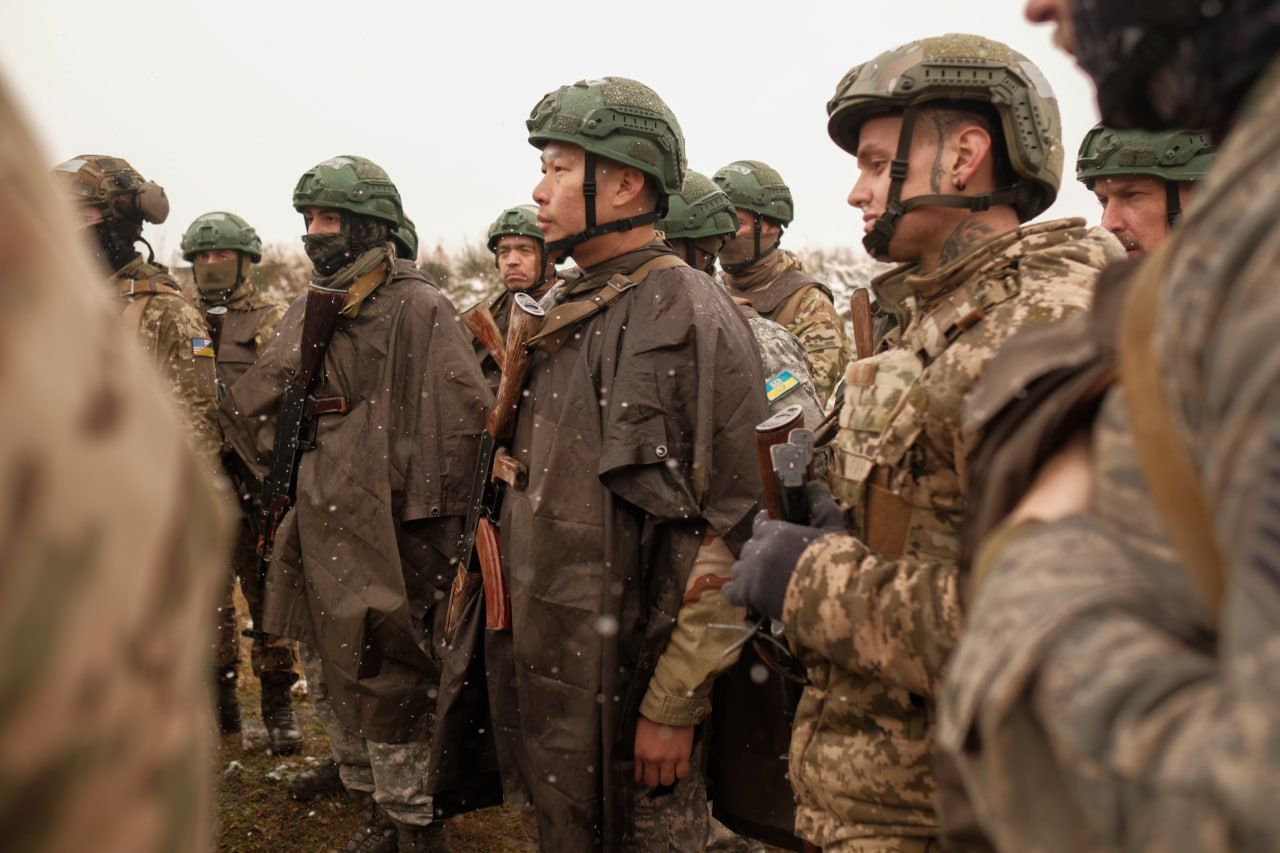
Two officers in the Legion told the Kyiv Independent that the unit's three combat battalions, each comprising a few hundred foreign and Ukrainian volunteers, would be transferred separately to assault regiments under the Ground Forces.
They said the changes were meant to take effect by the end of 2025. The change will not concern the International Legion under the Defense Ministry’s military intelligence (HUR).
But the lack of official information has left some legionnaires frustrated.
A former U.S. Marine who came to Ukraine at the start of Russia’s full-scale invasion in 2022 to help defend the country and who goes by the callsign "Magic" said the lack of clarity has left volunteers unable to make informed choices about their future.
"To not give even the minimum information so people can make an educated decision is very questionable," Magic, a chief sergeant in what was then a mortar battery in the 1st Battalion, told the Kyiv Independent in December 2025.

An officer from the Legion said about a third of his battalion had already been sent to the deployment area of a new assault regiment by mid-December. He described the move as pressure from higher-ups that compelled the transfer.
"We feel really under pressure to get transferred to these storm troops," the officer told the Kyiv Independent on condition of anonymity.
With only limited information from higher command, the officer said he did not know what to tell his soldiers about the planned changes or what their roles would be in the new assault regiment.
"That's a tragedy for everybody, and everybody's in shock."
But others believe the move may be necessary to address what they see as the Legion's instability and poor command.
Andrii Rudik, the head of the Communications Department in the Ground Forces, however, stressed that the structural change is neither a "destruction" nor a disbandment of the Legion, explaining that its three battalions will transfer to designated assault regiments without any changes.
“We answered (Zelensky’s) call to come to Ukraine and fight against Russia’s aggression. So we just need to see if President Zelensky and the Ukrainian command keep to their terms of that as well."
Rudik said the change is "an improvement" since the Legion battalions would work closely with designated assault regiments for the long run rather than temporarily attaching to specific Ukrainian brigades.
"Our primary task is to provide maximum assistance, treat (foreign volunteers) with respect, and understand them," Rudik told the Kyiv Independent, adding that the change is "to ensure that they do not leave the service and continue to help us fight the enemy."

Magic disputed Rudik's comment that each battalion would transfer as it is to the new assault regiment, saying that the current plan, as it was relayed to him by his company commander, appears to be "dividing the whole unit into different infantry groups," roles he says his unit is not "even professionally trained for."
His biggest concern is that mortarmen could be reassigned to infantry roles in the new assault regiment, even though mortar work is a specialized skill built over months of training and combat experience. So far, Magic had been told by his commander that the mortarmen were to be dispersed across the infantry and given different jobs, such as a machine gunner role for himself, within the 475th Separate Assault Regiment, also known as Code 9.2, under the 92nd Assault Brigade.
Some legionnaires say they fear the restructuring could undermine the infrastructure built over nearly four years to support foreign volunteers, potentially discouraging some from continuing to fight and hurting recruitment.
"We are doing our part," Magic said.
“We answered (Zelensky’s) call to come to Ukraine and fight against Russia’s aggression. So we just need to see if President Zelensky and the Ukrainian command keep to their terms of that as well."
Neither the General Staff of Ukraine's Armed Forces nor the Defense Ministry responded to the Kyiv Independent's requests for more details about the planned changes by the time of publication.
A note from the author:
Hi, this is Asami, the author of this article. Thank you for reading it till the end. At the Kyiv Independent, we try our best to shed light on both positive and alarming developments in Ukraine. It's our job as journalists. Please consider supporting our reporting, which is available without a paywall thanks to the support of our members.